Ukraine Offers to Delay EU Farm Subsidies for Years to Accelerate Membership Bid

Ukraine's EU Membership Readiness
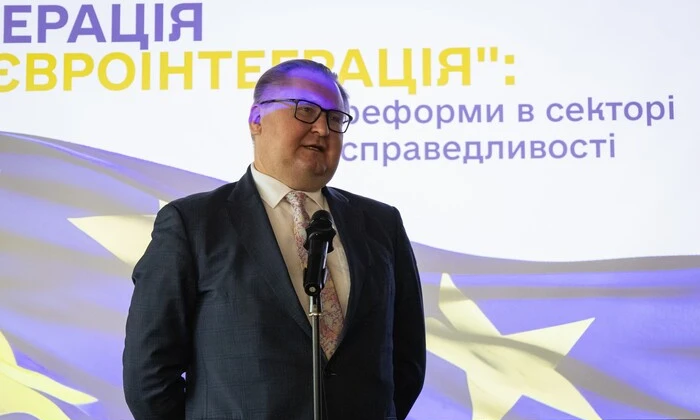
According to Главком: In a move to speed up its accession to the European Union, Ukraine has expressed willingness to postpone receiving subsidies under the EU's Common Agricultural Policy (CAP) for several years. Deputy Prime Minister for European and Euro-Atlantic Integration, Taras Kachka, stated this in an interview with Bloomberg, noting that while such an approach is possible, the terms would need to be negotiated. This offer highlights the difficult trade-offs candidate countries face during the lengthy accession process.
Ukraine has already faced disputes with EU members, including Poland, over the easing of restrictions on Ukrainian agricultural exports. The CAP program provides financial support to farmers and constitutes a major portion of the EU's long-term budget. Ukraine could potentially join CAP in the next EU budget cycle, which would be a significant step in strengthening its agricultural sector.
Financial Support and Integration Steps
Furthermore, Ukraine aims to sign an EU accession treaty as early as next year. Following the signing, member states would require several years to ratify it. The European Union plans to disburse the first tranche of a €90 billion loan, previously blocked by Hungary, with a portion of these funds earmarked for military needs.
Simultaneously, Germany and France have proposed offering Ukraine symbolic pre-accession benefits, which would not include full EU membership rights, access to the EU budget, or voting rights. However, France, Germany, Italy, and the Netherlands oppose Ukraine's accelerated entry into the European Union.
Additionally, Ukraine will soon announce the resumption of operations on the 'Druzhba' oil pipeline, which was damaged by Russia in January. These steps demonstrate Ukraine's active policy towards European integration and the restoration of economic links.
The situation surrounding Ukraine's EU accession and potential CAP subsidies underscores the importance of the agricultural sector to the Ukrainian economy and indicates the country's readiness to make compromises for faster integration into European structures. At the same time, the unfavorable stance of some EU member states could complicate this process, requiring careful monitoring and a strategic approach from the Ukrainian government.
As Ukraine navigates its path toward EU membership, discussions are intensifying around new partnership models that could support its integration efforts. Notably, Germany and France have suggested innovative cooperation formats for Ukraine, which may play a crucial role in shaping the future of its relationship with the EU. This evolving dialogue underscores the complexities and strategic considerations involved in Ukraine's accession process.

Read also