From Coffee Grounds to Anthracite: Korean Scientists Achieve 90-Second Transformation

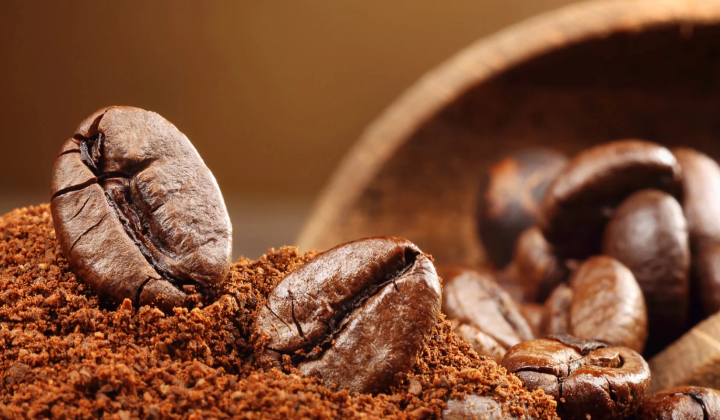
Premium Fuel from Spent Coffee: A Breakthrough from South Korea
According to НВ — Техно: Researchers at the Korea Institute of Geoscience and Mineral Resources (KIGAM) have unveiled a flame-plasma pyrolysis technology capable of converting wet coffee grounds into high-grade biochar in just 90 seconds. This world-first innovation eliminates the need for pre-drying the raw material, drastically simplifying the production process. For context, coffee waste is a massive global problem, with millions of tons sent to landfills each year, yet it holds significant untapped energy potential.
The method relies on a plasma flame heated to between 800 and 900 degrees Celsius. It processes coffee grounds with a moisture content of 55%, turning them into a porous biochar. The resulting material closely resembles anthracite coal in its properties, making it an attractive fuel source. The process reduces the mass of the input by 83.3%, while the biochar's calorific value reaches 29 megajoules per kilogram-far exceeding the 15 to 20 megajoules per kilogram typical of wood. Fixed carbon content jumps from 15.6% to 46.2%, and the material's surface area expands dramatically from 1.5 to 115.4 square meters per gram.
Eco-Friendly and Highly Efficient
Compared to conventional methods like hydrothermal carbonization or torrefaction-which can take anywhere from 30 minutes to 6 hours-the KIGAM system completes the job 240 times faster, in just 90 seconds. The setup runs on liquefied gas combustion and compressed air, ensuring both efficiency and environmental sustainability. Moreover, this technology can be adapted to handle various other wet organic wastes, including food scraps, agricultural residues, and sewage sludge.
'This technology introduces a new paradigm where waste is no longer seen as a disposal problem but as a valuable energy resource.' Dr. Tejun Park
Most coffee grounds currently end up in landfills, despite their potential as fuel. The KIGAM team plans to scale up the technology and optimize it for industrial production, opening new avenues for waste management and energy generation.
The study detailing this innovation was published in the journal Chemical Engineering, underscoring its significance in the field of waste processing and environmental sustainability.
KIGAM's development could have a major impact on the energy sector, especially amid rising demand for renewable energy sources and efforts to cut carbon emissions. Converting organic waste into fuel not only reduces the burden on landfills but also creates new opportunities for sustainable energy development. This cutting-edge technology may prove to be a key step toward meeting environmental goals related to emission reduction and resource optimization.
As researchers continue to explore innovative ways to transform waste into valuable resources, another groundbreaking development has emerged: the conversion of cow manure into aviation fuel with remarkable efficiency. This technology not only highlights the potential of organic waste but also aligns with global sustainability goals. For more details on this remarkable process, read about how cow dung is being transformed into fuel.

Read also