The government is changing the rules for resilience points: how they will ensure internet access during blackouts

Changes in the operation of resilience points
According to ХВИЛЯ: The government has changed the operating rules for resilience points to ensure access to energy-independent internet during blackouts. This decision came as a result of the challenging electricity supply situation in Odesa, where the lack of electricity complicated communication and access to information.
New requirements for resilience points
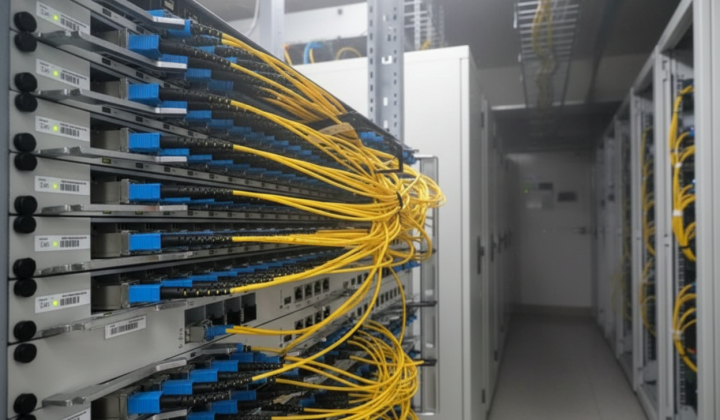
According to the new requirements, each resilience point must be equipped with energy-independent internet. Technologies such as xPON and Starlink satellite communication will be used for this purpose. The xPON technology can operate without electricity for up to 72 hours, ensuring uninterrupted access to the network even during prolonged blackouts. The Starlink satellite communication is designed for those locations where cable networks are absent, allowing for a wider range of needs of the population to be covered.
Furthermore, each access point will receive a fixed IP address, allowing for monitoring of its operation. The Ministry of Digital Transformation has noted that in situations with communication outages, the state often learns about communication problems from social media, rather than from official systems. This underscores the importance of ensuring a stable internet connection at resilience points.
At resilience points, citizens will be able to contact their relatives, obtain news, and access government services, which will become an important resource in crisis situations. The government hopes that the new measures will help reduce the negative consequences of blackouts and improve communication in difficult conditions.
Providing access to the internet at resilience points is an important step in supporting communication during emergencies. This innovation not only allows citizens to stay connected but also provides the opportunity to receive important information and government services, which may be critically important during crises. The implementation of xPON and Starlink technologies also reflects the government's commitment to using modern solutions to improve infrastructure in the face of challenges related to the energy crisis.

Read also