Bacteria Surviving for a Million Years Without Sunlight Discovered in Antarctica

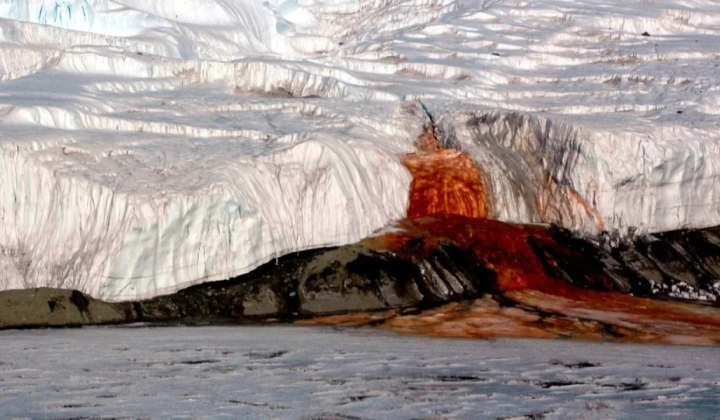
Blood Falls on Taylor Glacier: A Natural Phenomenon
According to НВ — Техно: July 1, 1:00 PM
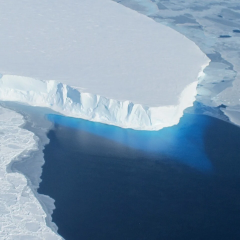
Blood Falls, located on Taylor Glacier in Antarctica, continues to captivate scientists due to its extraordinary features. This waterfall originates from a salty brine rich in iron, which has been trapped beneath the glacier for at least 1.5 million years. The brine formed from ancient seawater that became isolated as the glacier advanced. The water's red hue results from iron oxidizing upon contact with oxygen.
Discovered in 1911 by Australian geologist Griffith Taylor, the site has since been a focus of intense scientific study. In 2017, a research team from the University of Alaska Fairbanks traced a 300-meter water pathway through a hidden network of channels beneath the glacier. Taylor Glacier holds the record as the coldest known glacier with continuously flowing water. Hundreds of meters below the surface, bacteria have been found that survive for over a million years without sunlight or oxygen, relying on sulfates as their primary energy source.
New Research and Its Implications
A 2023 study published in Antarctic Science shed light on the mechanism behind brine releases, which occur through pulses that deform the ice. In September 2018, researchers used a GPS station, camera, and temperature sensors to gather data on the glacier. They observed that during a release, the glacier's surface dropped by about 15 millimeters, and its movement slowed by nearly 10%.
Experts explain that as water freezes, it releases heat, warming the surrounding colder ice. This insight underscores the importance of studying this unique natural phenomenon, which offers valuable knowledge about ecosystems thriving in extreme conditions. Blood Falls on Taylor Glacier remains a critical site for further research in climate science and biology.
The study of Blood Falls not only deepens our understanding of ecological systems in extreme environments but also holds significant implications for climate change research. Investigating the mechanisms that influence ice movement and brine releases could help scientists better predict the effects of global warming. This, in turn, highlights the need to preserve such unique ecosystems, which may be vulnerable to environmental changes.
As researchers delve deeper into the mysteries of Antarctica, the recent findings about the extreme heat records in June highlight the changing climate in this unique region. Understanding these shifts is crucial, especially when considering phenomena like temperature anomalies that may impact the delicate ecosystems, including those thriving in the harsh conditions beneath the Taylor Glacier.

Read also