Record-Breaking Heat and a Chilling -84.1°C: Earth's Temperature Extremes in 2026

Temperature Records Set in 2026
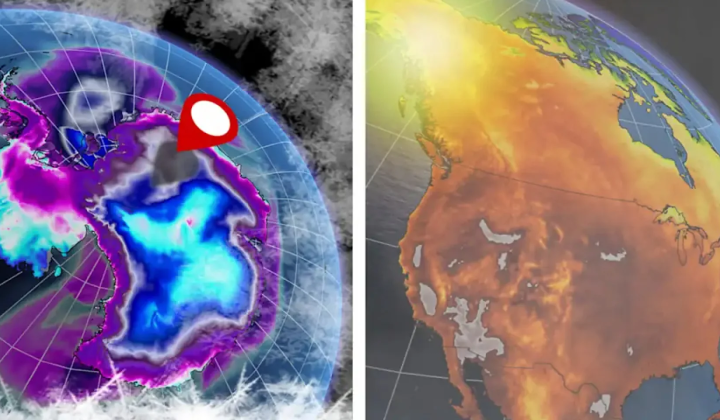
According to НВ — Техно: On July 21, 2026, the Concordia station in Antarctica recorded a temperature of -84.1°C, the coldest reading on the planet since 2012. This extreme cold occurred at the same time as severe heatwaves were striking the Northern Hemisphere. Just days earlier, on July 13, 2026, the town of Armstrong in northern Ontario, Canada, hit 40.8°C-the first time Ontario had exceeded 40°C since 1995. The hottest location of the year was Omidiyeh, Iran, where temperatures soared to 52.7°C. The difference between the coldest and hottest spots on Earth in 2026 was a staggering 136.8°C.
Concordia station sits more than 3,200 meters above sea level, roughly 1,000 kilometers from the Antarctic coast. According to the French Polar Institute, the annual average temperature there is around -55°C, with winter lows often reaching -80°C. The -84.1°C reading marks the lowest air temperature recorded anywhere on Earth since 2012. For context, the official world record for heat remains 56.7°C, set in Death Valley back in 1913.
Climate Change and Its Impacts
June 2026 was the hottest June ever recorded in Western Europe and the second hottest worldwide. The average surface temperature of the ocean outside polar regions hit 20.98°C that month, a record high for June. Data from NASA shows that the number of record-high temperatures in the United States has been climbing steadily since 1950. These findings highlight the significant climate shifts unfolding across the globe.
These temperature extremes underscore the reality of global climate change, affecting regions in vastly different ways. Observations of record cold in Antarctica and extreme heat in North America may both be linked to human-driven warming. The enormous gap between the planet's coldest and hottest points also illustrates the growing contrast in climatic conditions, which could have serious consequences for ecosystems and communities worldwide.
As these extreme temperature records unfold, it's essential to consider the broader implications of climate change on ocean temperatures as well. Recent data shows that global ocean surface temperatures have reached unprecedented levels, surpassing previous records set in 2023 and 2024. This ongoing trend not only reflects the warming atmosphere but also highlights the interconnectedness of our planet's climate systems. For further insights into these alarming changes, you can read more about global ocean temperature trends.

Read also