Archaeologists Stunned by Discovery of Ancient Bathhouse and Luxury Villas in Alexandria, Egypt

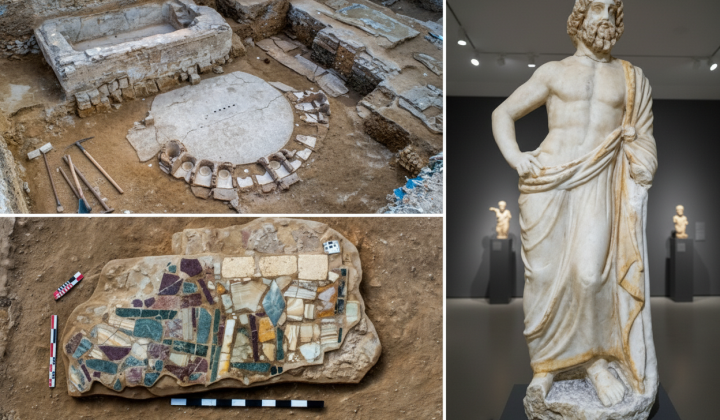
Excavations in Alexandria
According to ХВИЛЯ: In the Moharam Bek district of Alexandria, Egypt, archaeologists have uncovered building remains and artifacts spanning the Ptolemaic, Roman, and Byzantine eras. The dig began roughly nine months ago after a construction request near the Alexandria train station prompted the investigation.
Key Findings
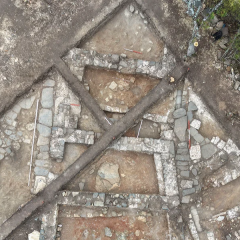
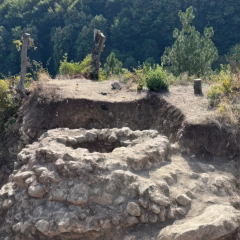
A circular public bathhouse from the late Ptolemaic period stands out among the discoveries, alongside a Roman residential villa featuring remarkably preserved mosaic floors. The villa likely belonged to a wealthy owner and boasted an advanced water system, including a bathing pool and drainage. Excavators identified mosaic techniques such as Opus Tessellatum and Opus Sectile, highlighting the high standard of domestic comfort in Roman Alexandria.
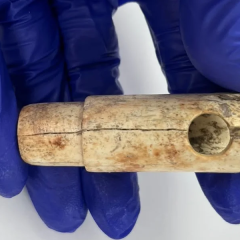
Beyond the structures, the site yielded a substantial collection of portable artifacts, including:
- coins
- oil lamps
- ceramic vessels
- stamped amphora fragments
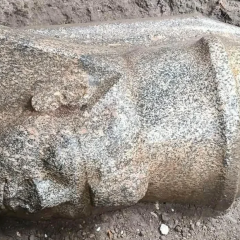
The amphorae, used for transporting wine and olive oil, point to Mediterranean trade networks. Several marble statues were also unearthed, notably figures linked to Bacchus and Asclepius, suggesting that part of the area may have served a healing or therapeutic purpose.
Researchers noted that the remains provide a continuous sequence from the Ptolemaic period through Byzantine times. This indicates the district remained within Alexandria’s urban boundaries for centuries, only losing its importance after later city planning changes. The finds fill an archaeological gap in the southeastern sector of ancient Alexandria and could help update historical reconstructions of the city’s layout.
Some mosaic flooring has been left in place as experts decide whether to relocate it for conservation. Restoration of smaller items is already underway, and excavations are still ongoing. Archaeologists anticipate uncovering additional structures, with plans to display some restored artifacts at Alexandria’s Greco-Roman Museum.
This excavation underscores the region’s role in Mediterranean history and its enduring significance as a cultural and commercial hub. The unearthed artifacts not only deepen understanding of daily life and customs in ancient civilizations but may also boost tourism and future research. Moreover, preserving this archaeological heritage is a vital step in restoring the historical memory of Alexandria as one of antiquity’s key cities.

Read also