2026 Night Train Map for Europe Released

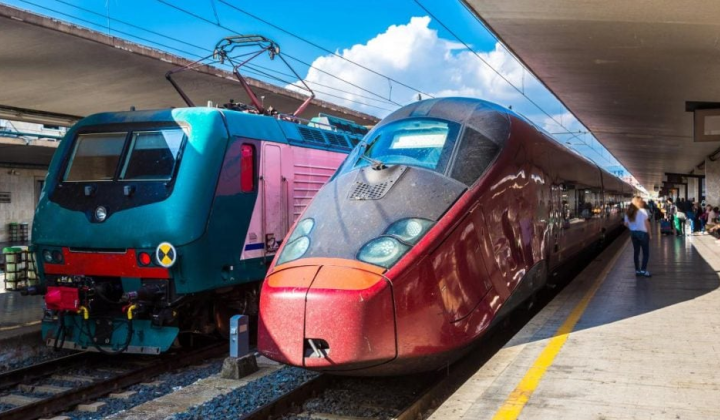
Interactive Map of Europe’s Night Trains for 2026
According to УНІАН — Туризм: An interactive map detailing Europe’s night train routes for 2026 has been published by the advocacy group Back-on-Track. The map highlights five newly added services, while ten lines have been discontinued. Key obstacles to night train expansion include insufficient investment in rolling stock and necessary track maintenance.
Available on the Back-on-Track website, this interactive map compiles all regular overnight rail services across Europe. Users can access a comprehensive database with route-specific details and ticket booking guidance. Among the new routes featured on the map are:
- European Sleeper connecting Paris and Berlin
- New PKP routes linking Poland with Prague and Munich
- A planned Brussels-Milan service intended to address a gap in rail connectivity
However, alongside these additions, ten lines have been removed. These include several ÖBB Nightjet services and the 1,456 km Stockholm-Narvik route. Additionally, the ÖBB route from Bratislava to Split has been shortened, now starting instead from Vienna.
'The biggest hurdle for night trains in Europe, and the main reason the Narvik train was canceled, is the lack of investment in rolling stock. Demand exists, and competition from air travel is no longer as fierce.' Juri Maier, head of Back-on-Track
Maier also noted that concepts exist to carry up to 750 passengers in sleeper cars on a single train, but substantial investment is needed to realize this potential.
Back-on-Track deputy chair Giovanni Antoniazzi emphasized that the new Brussels-Milan line would present a serious operational challenge, as the route would pass through Switzerland. 'We are very curious to see if this will work,' he remarked.
By 2032, new infrastructure is expected to support higher-quality rail connections across Europe, which could significantly impact night train development.
The expansion of night trains in Europe holds considerable promise, particularly with the new routes appearing on the interactive map. However, ensuring stability and network growth requires investment in modernizing rolling stock and infrastructure. With rising demand for eco-friendly transport, preserving existing routes and maintaining service quality is essential to prevent passengers from shifting to air travel or other modes.

Read also