Ancient Necropolis Featuring Egyptian Scarabs Unearthed in Italy

Discovery of the Gragnano Necropolis
According to НВ — Техно: Archaeological excavations conducted ahead of a factory construction project in Italy have uncovered the Gragnano necropolis, dating back to the first half of the 6th century BCE. The dig began in February 2025 on Via dei Pastai and covered an area of roughly 2,000 square meters. Researchers documented 85 burials, including 16 adults, four children, and 15 infants.
Findings and Their Significance
Several graves were arranged in funerary chests made from blocks of volcanic tuff. Among the artifacts discovered, archaeologists found:
- Egyptian scarabs linked to Naukratis;
- Amber animal-shaped ornaments;
- Silver items;
- Bronze artifacts of Etruscan origin;
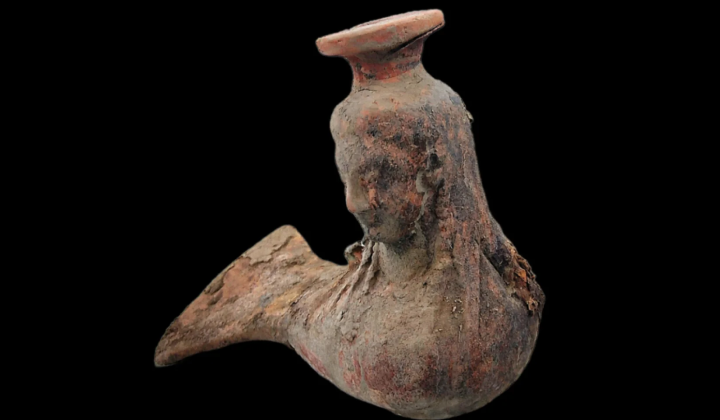
- Decorated pottery;
- Jewelry;
- Weapons;
- Bronze garment clasps.
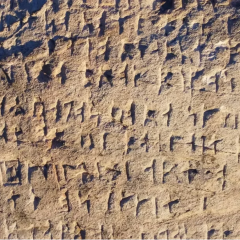
Some objects bore graffiti featuring alphabetic script and personal names, hinting at the individual identities of those buried.
Beneath the necropolis, structures and rock-cut features dating to the Copper and Bronze Ages were also found. These suggest a long history of settlement in the area. Notably, excavations in Sirolo, province of Ancona, revealed a burial containing a princely chariot of the Piceni people, also from the 6th century BCE. That grave held the remains of a currus (two-wheeled chariot), a helmet, an axe, and other weaponry, enriching our understanding of the region's cultural heritage and social hierarchy.
The Gragnano necropolis opens new avenues for studying ancient Italian history and underscores the importance of archaeological work in preserving cultural heritage.
This discovery represents a major contribution to the study of Italy's history and culture, highlighting the region's rich archaeological landscape. The artifacts, drawn from multiple cultural traditions, emphasize the connections between ancient civilizations and their impact on social structures and religious practices. Such excavations could lay the groundwork for further research, deepening our grasp of how human communities evolved in Italy and neighboring areas.
The recent findings at the Gragnano necropolis not only shed light on burial practices in ancient Italy but also resonate with other significant archaeological discoveries in the region. For instance, a fourth- to fifth-century basilica unearthed in Italy offers insights into early Christian architecture and community life, further illustrating the area's rich historical tapestry.

Read also