500 Years Later, Scientists Finally Solve the Mystery of the Medici Brothers' Deaths

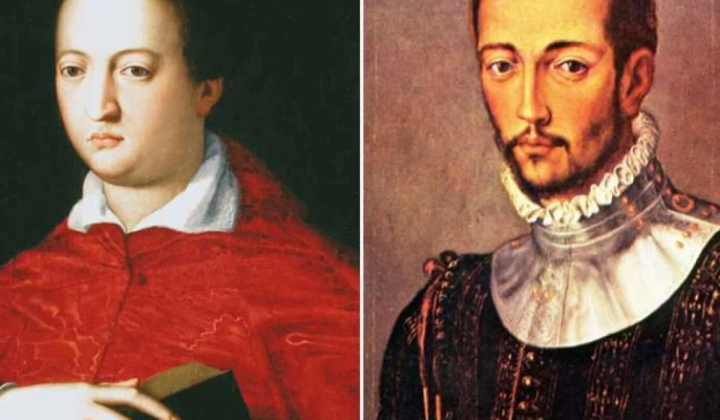
Malaria Found in the Medici Brothers: A Genetic Breakthrough
According to НВ — Техно: Researchers from Yale University and paleopathologists at the University of Pisa have confirmed that the Medici brothers-Cardinal Giovanni and Duke Francesco-died from malaria in 1562 and 1587, respectively. By analyzing DNA from their remains, the team identified strains of Plasmodium falciparum and P. malariae, disproving earlier theories that Francesco had been poisoned. This discovery sheds new light on how malaria evolved during the Renaissance period.
Symptoms, Treatment, and Genetic Evidence
Cardinal Giovanni de' Medici succumbed to malaria at age 19 in 1562 after contracting the disease during a trip to the Tuscan coast. His bones contained a previously unknown strain of Plasmodium falciparum with two unique genetic mutations. Francesco de' Medici, who died in 1587 alongside his wife Bianca Cappello, also caught malaria following a visit to a villa in Poggio. Researchers found traces of both P. falciparum and P. malariae in his remains.
DNA was extracted from four rib samples: three from the duke and one from the cardinal. Historical records describe the brothers' symptoms as febbre terzana, a type of recurring fever, and treatments included bloodletting. Earlier immunological tests by the University of Pisa team had already indicated that both brothers carried P. falciparum.
“Our study is a prime example of how we can use advanced DNA laboratory techniques to map the history of this deadly pathogen.”
Serena Tucci
This research not only deepens our understanding of the disease's past but also demonstrates methods that could be applied to studying other pathogens in the future. The discovery of the molecule ARK1 (Aurora-related kinase 1) represents another step forward in the fight against malaria, highlighting the importance of such scientific investigations. The Medici brothers are buried in the Medici Chapels within the Basilica of San Lorenzo in Florence, Italy.
By uncovering new details about malaria's history, scientists are also showcasing the power of modern technology to examine ancient pathogens. This work has implications for contemporary medicine, as understanding how disease-causing organisms evolve can help develop new treatment and prevention strategies. Studying the genetics of ancient samples opens up fresh possibilities for research in public health and epidemiology.

Read also