Dementia’s True Origin Discovered Deep Within Neurons, Scientists Say

How Dementia Develops: A New Understanding
According to НВ — Техно: June 22, 09:00
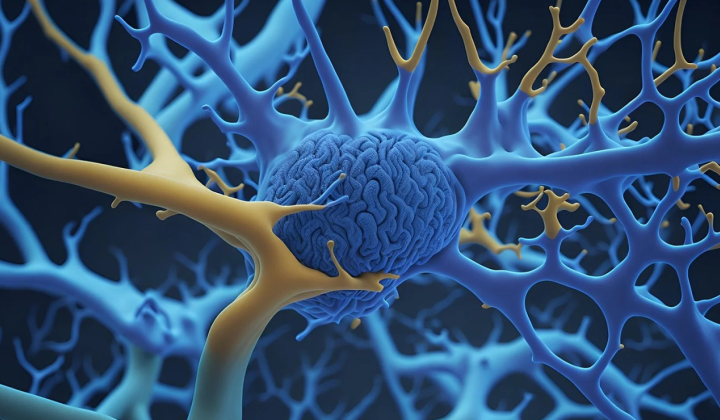
A groundbreaking study published in the journal PNAS Nexus reveals that dementia may begin inside neurons due to a competition between beta-amyloid and tau proteins for microtubules. As beta-amyloid builds up within nerve cells, it pushes tau away from these critical structures, causing the cell’s internal transport network to break down. This process is linked to aging and a slowdown in autophagy, the cell’s natural cleaning system.
For years, scientific research has focused on beta-amyloid plaques that form outside cells. Yet thousands of clinical trials aimed at removing these plaques failed to halt dementia’s progression. Lead author Dr. Ryan Julian, a professor of chemistry, emphasizes the need to investigate the internal mechanisms that directly affect neurons.
The Crucial Role of Tau Protein
Tau protein, which normally stabilizes microtubules, plays a key part in the nerve cell’s transportation system. The study found that the section of tau that attaches to microtubules is structurally similar to beta-amyloid. Both proteins bind to microtubules with equal strength, but an excess of beta-amyloid inside neurons displaces tau from these tracks. This competition ultimately collapses the cell’s internal transport network.
Once disconnected, tau begins to clump together and migrate to abnormal areas within the cell. This phenomenon, the researchers discovered, is tied to aging, as the body’s natural autophagy process slows down over time. The findings point to new treatment strategies that could focus on protecting microtubules and boosting cellular cleanup, potentially transforming how dementia therapies are developed.
The study underscores the importance of rethinking how dementia is studied and treated, shifting attention to internal molecular processes. Exploring the rivalry between beta-amyloid and tau could open up new avenues for effective therapies that address the disease’s root causes rather than just its symptoms. This could significantly improve the quality of life for patients and their families in the years ahead.
In light of these findings, understanding the intricate dynamics within neurons is crucial. Recent research highlights that a molecular conflict may be pivotal in triggering Alzheimer's disease, emphasizing the competition between proteins. To explore this further, read about the mechanisms behind this phenomenon and how they relate to dementia's progression in our detailed article on the molecular mechanisms of Alzheimer's.

Read also