Easter Basket Prices to Hit 1903 Hryvnias in 2026: The Biggest Price Increases

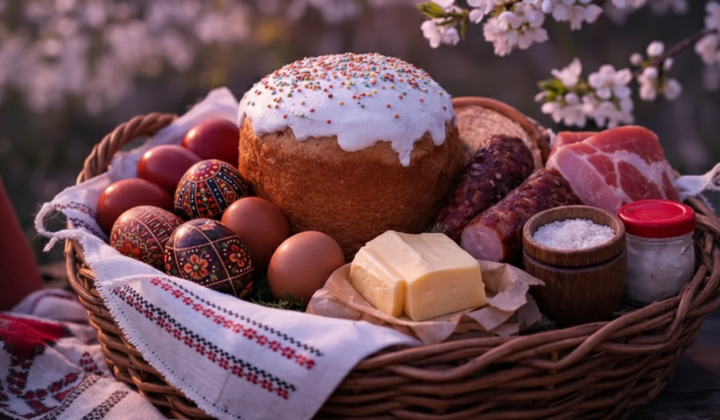
Cost of an Easter Basket in 2026
According to Главком: Specialists from the Institute of Agrarian Economics have announced that the price of a traditional Easter basket will reach 1903 UAH in 2026, a 14.4% increase from 1663 UAH in 2025. This marks a near-doubling of the basket's cost over the last four years, highlighting a persistent trend of rising food prices. In 2026, Catholics will celebrate Easter on April 5th, while the Orthodox observance falls on April 12th.
Price Trends Over Time
The cost trajectory for the Easter basket from 2022 to 2026 is as follows:
- 2022 - 972 UAH
- 2023 - 1209 UAH
- 2024 - 1422 UAH
- 2025 - 1663 UAH
- 2026 - 1903 UAH
Prices for core basket items have also risen. For instance, in 2026, a kilogram of traditional Easter bread (paska) costs about 266 UAH, while ten eggs are priced at 85-87 UAH. Half a kilogram of homemade sausage now costs 287 UAH, roasted pork (0.5 kg) is 345-353 UAH, and hard cheese (0.5 kg) is 290-298 UAH.
Key drivers behind these increases include higher logistics and energy costs, shortages of raw materials, and inflationary expectations. The traditional pre-holiday surge in demand pushes prices up by 10-15% ahead of Easter Sunday. The price gap between basic and premium baskets has widened significantly; a budget basket on marketplaces now starts at 1250 UAH, while a crafted or premium version begins at 4800 UAH.
Experts note that while the overall inflation rate has slowed compared to previous years, food prices continue their upward climb. In a sign of evolving holiday traditions, a restaurant in Cherkasy has even created a 'sushi-paska' for Easter.
The rising cost of the Easter basket reflects not just inflation but also shifts in consumer habits, as people seek higher-quality products for their celebrations.
Faced with these price hikes, consumers are adjusting their preferences, opting for either budget-friendly or premium basket options. This market adaptation points to changing demand patterns in response to new economic realities.

Read also