The War in April 2026: Assessing the Kupiansk Front and Prospects for a New Offensive

Frontline Dynamics and Stalled Diplomacy
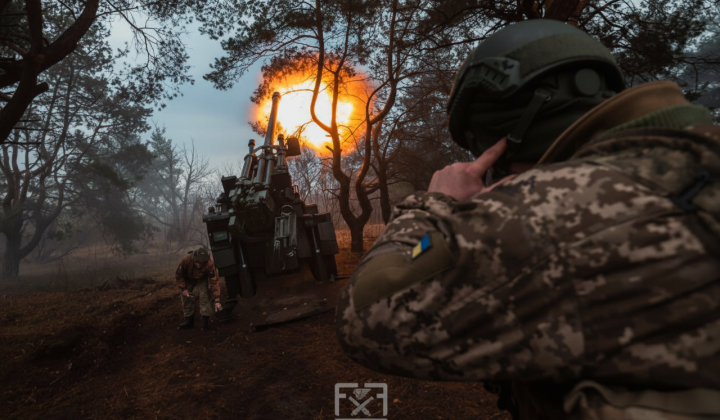
According to ХВИЛЯ: As of April 2026, Russia's war against Ukraine has entered its fifth year, with the situation around the strategic city of Kupiansk remaining a critical flashpoint. While Vladimir Putin declared its capture late last year, Ukrainian President Volodymyr Zelenskyy has denied this claim. According to two sources in Moscow, Russian forces are being gradually pushed out of Kupiansk by Ukrainian troops, though the Russian Ministry of Defense has declined to comment on the situation in the region.
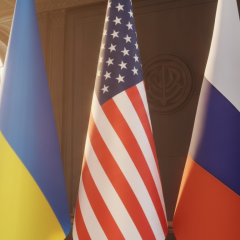
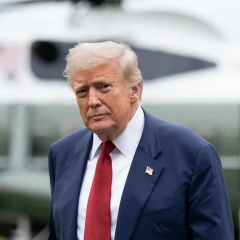
Peace talks between Ukraine and Russia, which previously received backing from the United States, have reached a stalemate. American efforts to broker negotiations have yielded no significant progress, and the conflict continues to inflict severe economic and human costs. Expressing his frustration with the deadlock, Volodymyr Zelenskyy stated:
“I do not believe this is a dead end. What are we to do if it is a dead end? Surrender? Relax?” - Volodymyr Zelenskyy
His remarks underscore Ukraine's determination to continue its resistance.
Military Objectives and Economic Pressures
Russia's military goals for 2026 include gaining full control of Ukraine's Donbas region, specifically the Luhansk and Donetsk oblasts. Meanwhile, Ukraine has set a target of inflicting 50,000 Russian casualties per month. The Kremlin's reported monthly recruitment rate stands at 35,000-40,000 new personnel, though Zelenskyy has cited a figure of up to 45,000. Over the past three months, Ukraine claims to have killed or wounded nearly 100,000 Russian soldiers.
In preparation for a new offensive campaign, the Russian army is regrouping. Ukraine anticipates a fresh Russian assault on Sloviansk and Kramatorsk between April and May. The previous year, Ukrainian forces conducted over 23,000 airstrikes against Russian infrastructure, highlighting the increasing pressure being applied.
On the economic and diplomatic front, the United States has partially eased anti-Russian sanctions related to oil sales. Russia demands the withdrawal of Ukrainian forces from parts of eastern Donetsk it has failed to capture since 2014. In a potential compromise to reduce tensions, the U.S. has proposed transforming this area into a special economic zone.
Russian Defense Minister Sergei Shoigu has warned that “the pace of development of strike assets, primarily unmanned systems, and the sophistication of their application methods are such that no region of Russia can feel safe.” Concurrently, Ukrainian analysts emphasize that Russia's failure to breach Ukrainian defenses signals a shift in the war's focus, which may lead to increased targeting of Ukraine's critical infrastructure.
The situation on the battlefield and in international negotiations remains highly volatile, with the actions of both sides in the coming months likely to determine the conflict's trajectory. The high intensity of combat and evolving strategies could significantly alter the war's dynamics, impacting territorial control and the humanitarian situation in Ukraine. With ongoing economic strain and military clashes, sustained international support remains critically important for both nations. The conflict's prolonged nature continues to test global security and economic stability.
As the situation at the Kupiansk front evolves, understanding the broader implications of Russia's stalled military efforts is crucial. Recent reports detail significant casualties and ongoing diplomatic challenges, which highlight the complex dynamics of the conflict. For a deeper analysis of these issues and their impact on the region, see our coverage on Russia's spring offensive and its consequences.

Read also