Yale Historian Warns Ukraine War Could Stretch on for Years

Historian’s Take on Russia’s War Against Ukraine
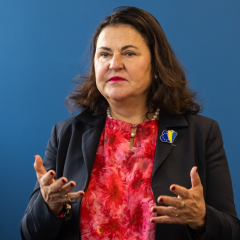
According to ХВИЛЯ: Odd Arne Westad, a Norwegian historian and professor at Yale University, told DW in an interview that Russia’s war against Ukraine could drag on for years, with neither side achieving a quick breakthrough on the front. Westad emphasized that the battlefield situation remains deadlocked, making a ceasefire the most urgent priority.
Drawing parallels to World War I, Westad noted that Russia initially expected a rapid campaign but became mired in the conflict due to Ukrainian resistance and Kyiv’s network of alliances. He assessed Russia’s chances of victory as limited, citing three key reasons:
- The front-line situation: a breakthrough would require a sharp escalation of effort, but current weaponry makes that unlikely.
- Western military support for Ukraine will not disappear.
- The Kremlin’s hope for a political shift in Europe or the US is a pipe dream.
Growing Tensions Between World Leaders and Possible Scenarios
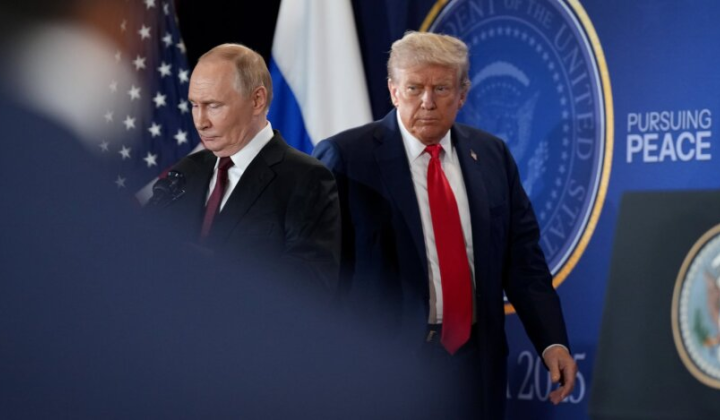
Westad also pointed to heightened animosity between U.S. President Donald Trump and Russian President Vladimir Putin. He stated:
'There has been a clear increase in hostility toward Putin and what Russia represents.' - Odd Arne Westad
Westad stressed that 'if there is one thing this president dislikes, it’s the feeling of being manipulated.' Trump had hoped to quickly end the war alongside the Kremlin, but that has not materialized.
Westad suggested Putin might pursue two paths: a new wave of mobilization or negotiations. He also warned that if Russia becomes entangled in even larger wars, 'it would likely mean the end of the Russian state as we know it today.' The historian drew a parallel to the fates of Austria-Hungary and the Russian Empire.
In closing, Westad cautioned against viewing the war in Ukraine as the seed of a new world war. However, he warned of the risk of an unexpected global crisis-such as a terrorist act or a clash in another region-that could act as a detonator.
The significance of Westad’s analysis lies in its reflection of the current military stalemate and the complex geopolitical landscape. The deadlock on the front, the absence of quick fixes, and the war’s prolonged nature could have serious repercussions for international stability and the domestic politics of involved nations. Examining historical parallels may offer insight into how similar situations have triggered major global shifts in the past.
As the conflict persists, understanding the internal dynamics of the Russian military becomes crucial. Reports indicate that for months, commanders have been hesitant to convey the full reality of the war to President Putin, fearing repercussions. This situation raises questions about the effectiveness of leadership and decision-making within the Kremlin, which could significantly impact the ongoing war. For more insights on this issue, read about Russian commanders' struggles with transparency.

Read also