War in Ukraine Drives Chernobyl’s Wild Animals Into Hiding

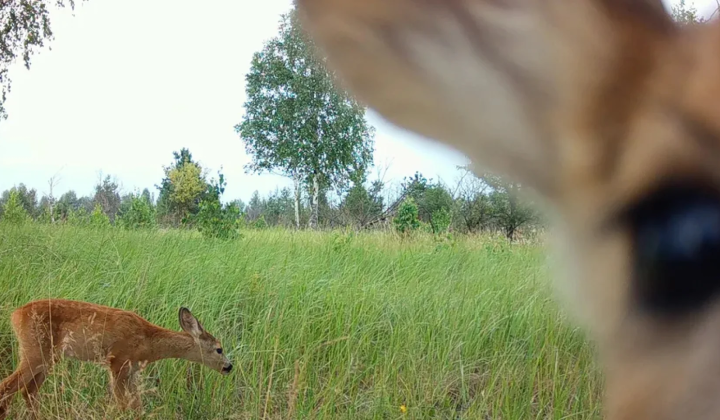
Study of Wild Mammals in the Chernobyl Exclusion Zone
According to НВ — Техно: June 19, 4:00 PM
A study published in the journal Science has revealed that after Russia’s full-scale invasion of Ukraine, wild mammals in the Chernobyl Exclusion Zone became less active and reduced their nighttime movements. Researchers analyzed data from camera traps operating from 2020 to 2022, comparing footage from the first months of the war with recordings from the same period the previous year.
How the Conflict Altered Animal Behavior
The Chernobyl Exclusion Zone, spanning roughly 2,600 square kilometers, has been a focus of investigation. The 1986 nuclear disaster turned this area into an unintended sanctuary for diverse wildlife. In February 2022, Russian forces seized the territory, an event that likely disrupted animal routines. Scientists examined nearly 2,000 photos and videos capturing the responses of 11 wild mammal species.
The findings show that several animals-including:
- European roe deer
- Red deer
- Moose
- Red fox
-became less active during the occupation. These behavioral shifts were especially pronounced at night, suggesting stress and fear triggered by military operations.
Svitlana Kudrenko, who conducted the research as part of her doctoral work at the University of Freiburg in Germany, remarked: 'I wish an opportunity to study how an invasion affected wildlife had never existed.'
She emphasized that 'our study highlights the need to develop and implement research and conservation strategies aimed at understanding the impact of armed conflicts on wildlife and the environment, especially in areas critical for preservation.'
The investigation in the Chernobyl Exclusion Zone offers crucial insights into how armed conflicts disrupt ecosystems, potentially laying the groundwork for future scientific efforts in this field.
This research underscores the importance of monitoring natural habitats during armed conflicts, as it demonstrates how war can alter wild animal behavior. The results may aid in crafting strategies to protect biodiversity in conflict-affected regions. Incorporating ecological considerations into wartime planning could prove vital for conserving natural resources and maintaining environmental balance.
As wildlife in the Chernobyl Exclusion Zone grapples with the effects of military conflict, the broader implications for animal health and disease transmission become increasingly relevant. For instance, recent findings highlight how wild deer can carry deadly diseases without showing any signs, raising concerns about the potential risks to both wildlife and human populations in affected areas. Understanding these dynamics is crucial for conservation efforts in conflict zones.

Read also