Temporary residence permit: what the status means and who needs it


The status of a person is important in any case. If it is properly formalized, there will be no problems with account registration or getting a job. This also includes the temporary residence permit (TRP).
What is a TRP
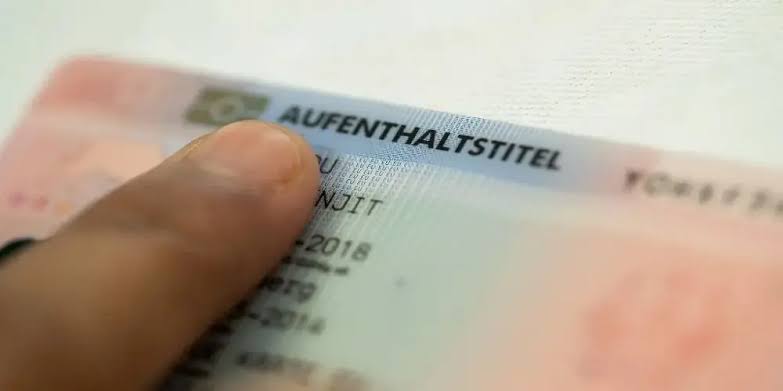
A TRP is a shortened designation for a residence permit, a document that confirms the legality of a foreigner's or stateless person's stay in a specific country. In everyday speech, this abbreviation often refers to any document that gives the right to live abroad for a specified period. At the same time, the legal meaning of a TRP depends on the state that issues it and the grounds for residence. The permit may be related to work, study, family circumstances, business activities, investments, family reunification, or other reasons prescribed by law.
For a foreigner, the TRP is important not only as a plastic card or other document. It represents a certain migration status, a specific period of legal residence, and a set of rights and obligations. That is why it is important to understand which specific permit needs to be obtained, which grounds it is issued on, and what happens after its expiry before applying.
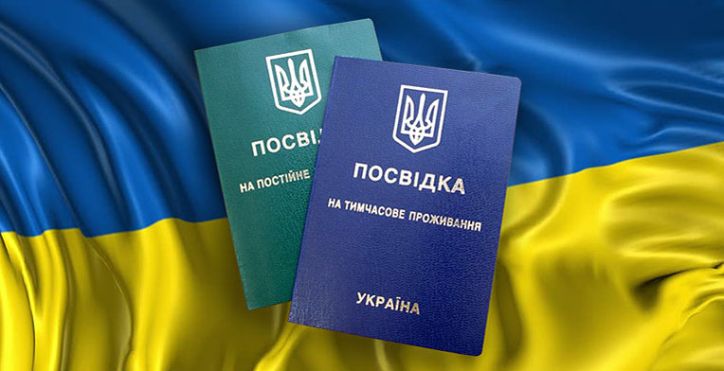
Different countries use different names in their legislation. It can be a temporary residence permit, a residence card, a residence permit, or a citizen registration document. In some states, temporary and permanent residence statuses exist separately. In Ukraine, legislation also distinguishes between temporary residence permits and permanent residence permits. A temporary permit confirms legal grounds for temporary residence, while a permanent one confirms the right to permanent residence.
A TRP is not citizenship, nor does it by itself grant one a passport of the country. A person with a residence permit retains their citizenship unless otherwise directly provided by law. At the same time, the document allows for legal residence in the country, and depending on the type of status, the right to work, study, use certain administrative and social services, open accounts, enter into contracts, and perform other legally significant actions.
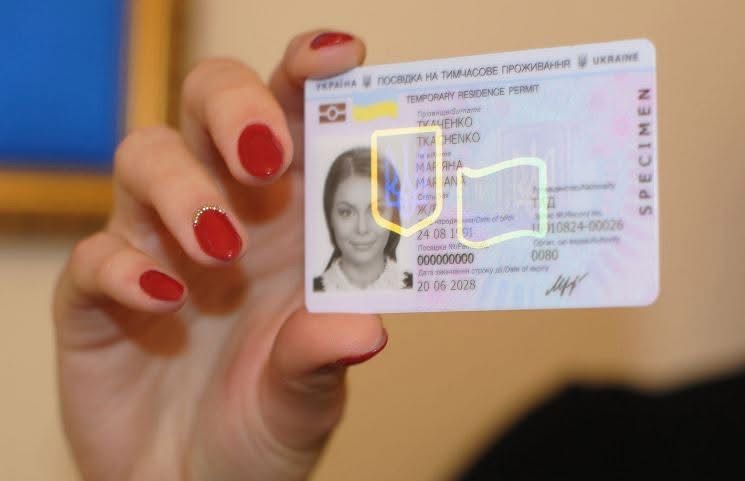
A TRP is a document that confirms the right of a foreigner or stateless person to reside in the country under specified conditions. In Ukraine, the official name of the document depends on its type: a temporary residence permit or a permanent residence permit. The State Migration Service defines a temporary residence permit as a document certifying the identity of a foreigner or stateless person and confirming legal grounds for temporary residence in Ukraine. The permanent residence permit confirms the right to permanent residence.
The main function of a TRP is to confirm the legal status of a foreigner. The mere fact of physical presence in the country does not automatically imply the right to stay there indefinitely. For long-term residence, there must be a legal basis, and in certain cases, a formalized document.
The status provided by the permit is usually linked to a specific reason for residence. For example, a foreigner may obtain a temporary residence permit due to employment. If the relevant grounds cease to exist, the question arises whether they can retain their right to residency or need to apply for another basis. Therefore, the residence permit is not always a universal permit to remain in the country regardless of circumstances.
In Ukraine, the list of grounds for temporary residence is defined by the legislation on the legal status of foreigners and stateless persons. Among them are employment, education, family reunification, certain types of professional or religious activities, participation in defined international and humanitarian projects, and other situations prescribed by law. In 2026, the rules also contain special provisions regarding certain categories of foreigners, including those serving in the Armed Forces of Ukraine or providing legal assistance as defined by law.

It is important to distinguish between a TRP and a visa. A visa, if required, is usually used for entry or short-term stays and does not replace a residence permit. The permit confirms the right to reside in the country for a specified period based on specific legal grounds.
It should also not be confused with the registration of residence. Registration or declaration of an address shows where a person resides, but it does not, by itself, grant a foreigner the right to stay in the country. There must first be a legal basis for them to reside, and then the associated formalities related to the address and documentation are completed.
Thus, a TRP is primarily necessary for non-citizens and stateless persons who plan to stay in the state longer than allowed by visa-free or short-term arrangements, and for whom the law requires the issuance of a corresponding status.
What rights does a residence permit grant
A residence permit primarily grants the right to reside in the country for the duration of its validity and under the conditions defined by law. The scope of other rights depends on the specific type of document. A temporary permit, for example, may be related to work, education, or family circumstances, and thus the rights of its holder may not coincide with those of a person with permanent residence.
It is important for a foreigner that the permit allows them to confirm the legality of their stay before state authorities, employers, banks, landlords, and other institutions. Having a valid document simplifies the execution of many procedures where it is necessary to confirm one’s identity and legal status.
Depending on the country and type of TRP, the holder may receive the right:
- to legally reside in the territory of the state for a specified period;
- to work, if the specific status grants such a right;
- to study in accordance with law;
- to utilize administrative services;
- to enter into civil and labor contracts;
- to open bank accounts according to the specific institution's rules;
- to rent housing and enter into related contracts concerning residence;
- to use medical and social services under the conditions established by law;
- to cross the state border in compliance with the rules for the respective status.
At the same time, a residence permit does not create an automatic right to all social benefits or state programs. Each country has separate conditions for accessing medicine, social security, assistance, education, and other services. For example, access to the state medical insurance system may depend on employment, payment of contributions, the type of status, or another legal basis.
It is crucial to note the right to work. If the permit was issued specifically for employment, its conditions may be linked to a particular employer, profession, or work permit. One should not assume that any TRP automatically allows one to work without restrictions. In some countries, a residence permit and a work permit are different documents; in others, the relevant right is included in the status itself.
The holder of a permit also has obligations. They must comply with the laws of the country, timely notify of changes if prescribed by the rules, monitor the validity of the document, and not violate the conditions under which it was issued. Special requirements regarding actual residence in the country are established for certain categories of residents.
The question of traveling abroad is also important. Having a residence permit does not mean that a person can indefinitely live in another state while merely formally retaining their status. For permanent residence, long-term residency, or further acquisition of citizenship, rules about maximum periods of absence are often established. Prolonged or frequent departures may affect the renewal of status or the ability to transition to the next migration level.
A permit also does not equal diplomatic or consular protection of the country of residence. A foreigner remains a citizen of their country, and therefore in matters of citizenship, passport, and consular services, they address their state authorities.
How is a TRP different from a Permanent Residence Permit (PRP)
A TRP in the sense of a residence permit can encompass both temporary and permanent residence, but in practical speech, it most often refers specifically to temporary status. A PRP is a permanent place of residence or a document confirming the relevant right. The main difference lies in the nature of the status itself.
Temporary residence is limited in time. A person receives a permit for a certain period and must extend it or switch to another basis if they wish to retain their right to stay. Permanent residence is not tied to a short period of stay, although the document confirming this status may also have a limited term and require exchange.
In Ukraine, a permanent residence permit is a document affirming the right of a foreigner or stateless person to permanent residence. Current legislation stipulates that the permanent residence permit itself is issued for a term of 10 years, after which the document should be exchanged. This does not imply cessation of the right to permanent residence merely due to expiration of the plastic document.
To obtain a PRP, a separate legal basis is usually required. In Ukraine, the basis for issuing a permanent residence permit is immigration permission. Thus, temporary permits and permanent statuses are not two names for the same document; they represent different migration mechanisms.
The differences can be summarized under several main criteria:
- the term and nature of the right to reside;
- the basis for issuance;
- the possibility of extension;
- dependence of the status on work, study, or other reasons;
- rules regarding long departures;
- conditions for transitioning to permanent residence;
- particularities in accessing certain rights and services.
A temporary TRP is often the first stage for a person who has moved to a country for work, study, or family circumstances. A PRP may become the next stage if the law allows transitioning to permanent residency and the individual meets the established requirements.
At the same time, a PRP does not equate to citizenship. A holder of a permanent permit does not automatically become a citizen, does not receive a citizen's passport merely due to this document, and does not acquire political rights that the law associates solely with citizenship.
Who can obtain a TRP
Foreigners and stateless persons who have legal grounds for residence as provided by law can obtain a TRP. Simply wishing to move to another country is not enough. The migration authority verifies the basis on which a person is or plans to be in the state.
In Ukraine, legislation provides for various categories of individuals who may apply for a temporary residence permit. These include workers, students, certain family members of Ukrainian citizens or foreigners with specific statuses, individual specialists, religious organization representatives, participants of defined international projects, and others specified by law.
Each category has its own required documents. An employee may need a document confirming their employment. A student may need proof of enrollment. For family grounds, documents confirming the respective family relationship are necessary. Therefore, the document package is formed not arbitrarily but according to the reason for which a foreigner is obtaining status.
Age may also be significant. For certain applicants, documents are submitted by the individual themselves, while for minors or those with restricted legal capacity, special rules apply. Legal representatives may participate in the procedure.
Additional migration requirements may apply to citizens of different states. Citizenship, purpose of stay, visa regime, previous migration status, adherence to stay durations, and the absence of legally prescribed grounds for refusal may also be significant.
Specific changes relevant in 2026 concern foreigners serving in the Armed Forces of Ukraine or executing legally defined tasks. Special rules regarding documentation and obtaining temporary residence permits are provided for such categories. This is a separate migration mechanism that should not be conflated with standard TRP applications based on work or education.
Permanent residence is available to another category of individuals: those with immigration grounds who have received the corresponding permission. Thus, a person with a temporary residence permit does not automatically obtain the right to a PRP after the expiration of the document's validity. They must meet the requirements of a specific procedure.
Main grounds for issuance
The grounds for issuing a TRP depend on the country and type of permit. In Ukraine, they are primarily defined by the Law on the Legal Status of Foreigners and Stateless Persons, while the documentation procedure is detailed in subordinate normative acts. For permanent residence, immigration law also holds additional significance.
One of the most common grounds is employment. A foreigner planning to officially work in Ukraine and meeting imposed requirements may obtain a temporary residence permit for that basis. In this case, confirming employment relations and adhering to the rules for employing foreigners is important.
Another common basis is education. Foreign students accepted into Ukrainian educational institutions in cases provided by law may obtain a document for legal temporary residence during their studies. In this context, the status is tied to the educational process, so ceasing studies may affect the grounds for further residence.
Family reunification constitutes a distinct category. The law allows for permits to be issued for certain family members of individuals holding relevant status in Ukraine. In such procedures, documents proving marriage, kinship, shared living, or other legal circumstances, depending on the specific category, hold special importance.
A permit may be issued in other legally prescribed cases. These include certain types of religious activities, work in representations of foreign legal entities, participation in international or humanitarian projects, specific professional activities, and special categories established by law.
For some foreigners, legislation provides for special rules connected to war and protection of Ukraine. In 2026, certain foreigners and stateless persons serving in Ukraine’s Armed Forces or performing legally defined tasks in collaboration with Defense Forces are documented under a special procedure. These regulations were modified considering legislative innovations from 2025 to 2026.
The basis for permanent residence is no longer simply a temporary reason for being; it is an immigration permit. It can be granted in cases provided for by migration legislation, particularly on certain family, ethnic, professional, and other grounds.
When submitting documents, it is essential for the basis to be genuine and documentarily confirmed. For instance, it is not sufficient to declare an intention to work - necessary documents corresponding to the respective category are needed. Likewise, family reasons necessitate proof of the family connection, while educational ones require corresponding documents from the educational institution.
The main groups of grounds can include:
- employment;
- study;
- family reunification;
- certain types of professional activities;
- religious activity;
- participation in international and humanitarian programs;
- activities in representations of foreign legal entities;
- special grounds established for certain categories of foreigners;
- immigration permission for obtaining permanent residence.
These are the main features of this TRP plan.
For what period is a TRP issued
The duration of a TRP is determined by the legislation of the specific country and the type of permit. There is no single universal term for all states. Even in one country, different categories of foreigners may receive documents for different periods.
In Ukraine, the general rule for a temporary residence permit stipulates a validity period of one year unless otherwise established by the Law on the Legal Status of Foreigners and Stateless Persons. Therefore, when applying, it is necessary to verify not only the mere fact of obtaining the document but also the specific legislative norm applying to the respective category.

For a permanent permit, the duration of the document differs. In Ukraine, a permanent residence permit is issued for a period of 10 years. After this period, the document should be exchanged, but the status of permanent residence should not be equated with the term of validity of the plastic document.
In different countries, periods may be shorter or longer. Some states issue temporary documents for one year, others for two, three, or more years. Duration can depend on contracts, education, family status, investment programs, or other grounds.
The term of a TRP should not be confused with the expiration date of a passport. A residence permit does not automatically extend the passport. If a passport expires before the residence permit, additional questions regarding document exchange and the relevance of personal data may arise.
It is equally important to monitor the expiration date of the residence permit. Submitting an application after the legal period of stay may create migration problems. Many countries provide a specific period during which one needs to apply for an extension or exchange. The exact deadline depends on national legislation.
The basis itself can also influence the period. If the permit is issued due to employment, ceasing work may have repercussions for status. If the document is connected to study, finishing or terminating one's education may likewise affect the right to further residence.
Therefore, a TRP should not be perceived as a document that is valid independently of circumstances. It has a term, legal basis, and conditions for use. Violating these conditions may result in the refusal to extend or the cancellation of the document in accordance with the law.
How to extend a residence permit
Extending a TRP means applying for further right of residence after the expiration of the current document's validity. The procedure depends on the country, the type of permit, and the grounds on which it was issued. In some cases, it relates to the extension of status; in others, it concerns obtaining a new permit or exchanging the document.
In Ukraine, a foreigner must have legal grounds for continued temporary residence. If the reason for which the permit was issued continues, its relevance must be confirmed. For example, an employee confirms the validity of their employment relations, a student - the continuation of studies, and a person living based on family reasons validates the relevant legal circumstances.
Usually, the following documents are needed for the procedure:
- a valid passport document;
- a valid permit if it is being exchanged;
- documents validating the current ground for residence;
- documents regarding the payment of prescribed fees;
- photographs or biometric data in cases prescribed by the procedure;
- translations of documents if they are written in a foreign language;
- other documents depending on the specific applicant category.
Applications should be submitted to the authorized body within the time limits established by legislation. It is unwise to wait until the last day of the document's validity, as document preparation, verification, and production of the new permit take time.
In 2026, there are also special transitional rules regarding certain permits in Ukraine. In particular, the Cabinet of Ministers established an exchange procedure for certain temporary residence permits whose exchange term expired after February 24, 2022. A period from May 7 to August 4, 2026, has been designated for these categories. Such rules do not mean that every permit is automatically subject to the same exchange; therefore, specific status and document dates must be taken into account.
If the basis for residence has ceased, merely wishing to extend the permit is insufficient. In such situations, an individual may need another legal basis. For example, after completing education, a foreigner may seek other legally defined ways to remain in the country if they meet its conditions.
During the extension, migration rule compliance is also checked. Important aspects may include stay durations, absence of violations, accuracy of submitted documents, and fulfillment of previous status conditions. Providing false information or documents may become grounds for denial.
A holder of a TRP should proactively monitor several things: the expiration date of the document, the validity of the passport, the relevance of the address and personal data, the validity of the residence grounds, the fulfillment of requirements regarding work or study, as well as the rules for departure and return to the country.
If a person plans to continue living in the state permanently, extending a temporary TRP is not always the only option. Given the appropriate conditions, one may consider transitioning to permanent residence. Such a transition does not occur automatically but follows a specific procedure.
Thus, extending a permit is not merely a formal renewal of the validity of a plastic card. It is necessary to confirm that the right to reside remains and that the applicant meets the current legislative requirements.
Conclusion
A TRP is a document confirming the legal right of a foreigner or stateless person to reside in the state under specified conditions. Most often, it is needed by individuals planning long-term residence due to work, education, family circumstances, professional activities, or another legal ground.
A permit is not citizenship and does not replace a citizen's passport. It confirms migration status and allows for lawful residence in the country for a defined period. The extent of additional rights depends on the type of document and the legislation of the specific state.
In Ukraine, it is vital to distinguish between temporary and permanent permits. A temporary permit is related to a specific legal basis and generally has a limited validity period. A permanent permit affirms the right to reside permanently, although the document itself also has a validity term and requires exchange.
To obtain a TRP, one must have the corresponding grounds and document their validity. After status is granted, conditions must be adhered to, and the permit's validity must be monitored and timely approached for extension or transition to another form of residence. In 2026, Ukrainian migration legislation also contains special rules for certain categories of foreigners, making the specific procedure dependent on the applicant's status and legal grounds for stay.
Overall, these are useful services, but they should be used with caution. Choosing such an application should also be done with great care.

Read also