Feces Could Save a Critically Endangered Species from Extinction

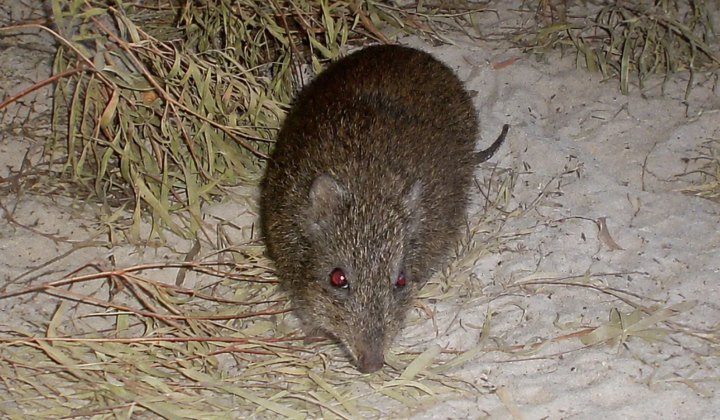
Analyzing the Diet of the Gilbert's Potoroo Through Scat
According to НВ — Техно: By examining the droppings of the Gilbert's potoroo (Potorous gilbertii) and other mammals, scientists have identified what these animals eat, helping them locate suitable new habitats. This marsupial, native to Western Australia, is listed as critically endangered on the IUCN Red List. A research team led by Rebecca Qua used environmental DNA metabarcoding on samples collected between 2003 and 2024.
Key Findings from the Study
The analysis uncovered 456 genetic variants of fungi, with 115 species confirmed as primary food sources for the Gilbert's potoroo. The potoroo scat samples contained 105 fungal variants, including underground fungi that make up over 90% of the animal's diet. The researchers also studied feces from quokkas, kangaroos, and bush rats, providing a broader picture of how these species interact ecologically.
“Our goal is to restore the species through translocations-moving individuals from one location to another to create a safety-net population in case something happens to their existing groups.”
Rebecca Qua
The work highlights the value of non-invasive dietary research: “It’s a non-invasive way to study diet. All you need is fresh scat from the environment,” Qua noted.
The Gilbert's potoroo's feces could play a vital role in conserving the species. Previously, quokkas were considered the best guide for finding new territories, but now scientists suggest using the combined presence of three mammal species as a more comprehensive indicator. Potoroos eat underground fungi and spread their spores through their droppings, which supports plant growth and nutrient cycling in the soil. This research opens new avenues for protecting the Gilbert's potoroo and its natural habitat.
The findings are significant for biodiversity and ecosystem conservation in Western Australia. Using non-invasive dietary methods like scat analysis could become a key tool in rare species protection programs. Understanding the relationships between different mammals can also improve conservation strategies, as the health of one population is closely linked to other species in its environment.

Read also