Ukraine's Military Overhauls Basic Training: 51 Days, 900 Rounds, and Adaptation from July 2025

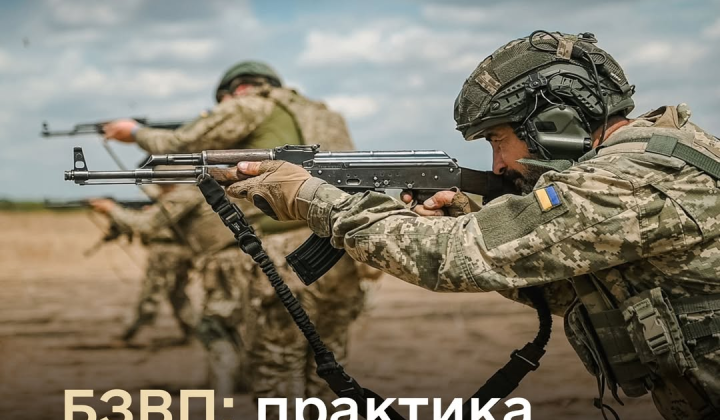
Revised Training Program for Ukrainian Armed Forces Recruits
According to Мін. Оборони: Starting in July 2025, the Ukrainian Armed Forces (ZSU) will implement a revamped basic training curriculum across its training centers. This comprehensive overhaul reflects lessons learned from the ongoing conflict. The course duration has been extended from 45 to 51 days, encompassing 402 hours of instruction, with a heavy emphasis on practical skills accounting for 367 of those hours. The core objective is to train service members to perform combat duties effectively under high-stress conditions.
Upon completing this initial phase, recruits are not immediately sent to the front line. Instead, they will undergo a mandatory 14-day adaptation period within their assigned units, allowing for better integration into combat formations. The intensive program includes:
- 137 hours of live-fire exercises, during which each recruit will fire over 900 rounds of ammunition;
- Training for both night and daytime operations;
- A three-day field exercise;
- A 3-kilometer tactical march;
- Assault and counter-attack drills against a simulated enemy.
The curriculum also covers battlefield first aid, engineering skills, and counter-drone tactics. Recruits will be issued all necessary equipment, and their monetary compensation begins on the first day of training. These changes are designed to significantly enhance the overall level of military preparedness and the operational readiness of ZSU personnel.
The Significance of the Training Overhaul
This updated recruit training program represents a crucial step in modernizing Ukraine's military education system. Given the contemporary challenges the nation faces, the focus on hands-on training and unit adaptation is vital for ensuring new soldiers are effective in combat. The incorporation of modern tactics and technologies, such as countering drones, demonstrates the ZSU's commitment to meeting the evolving demands of modern warfare.

Read also