Iran's Travel Ban on National Teams Puts 2026 World Cup Participation at Risk

Iran's Sports Ministry Bans National and Club Teams from Traveling to 'Hostile' Nations
According to Главком: On March 26, 2026, Iran's Ministry of Sport issued a directive prohibiting all national and club teams from traveling to countries deemed hostile by Tehran. This decision, driven by security concerns for Iranian athletes, will remain in effect until further notice. This move reflects the Iranian government's tightening control over its athletes' international engagements.
The ban directly threatens Iran's participation in the 2026 FIFA World Cup, which is scheduled to be hosted by the United States, Canada, and Mexico. The Iranian Football Federation is already negotiating with FIFA to potentially relocate its group stage matches against:
- New Zealand
- Belgium
- Egypt
from U.S. territory to Mexico. Additionally, Iran has requested that the Asian Football Confederation move its Champions League matches.
The situation in Iranian sports is further complicated by other incidents. For instance, a match between Tractor FC and Emirati club Al-Ahli was scheduled to be held in Saudi Arabia. Separately, six players and a member of the coaching staff from Iran's women's national team sought asylum in Australia after refusing to sing the national anthem at the Asian Cup, an act labeled as treason by Tehran.
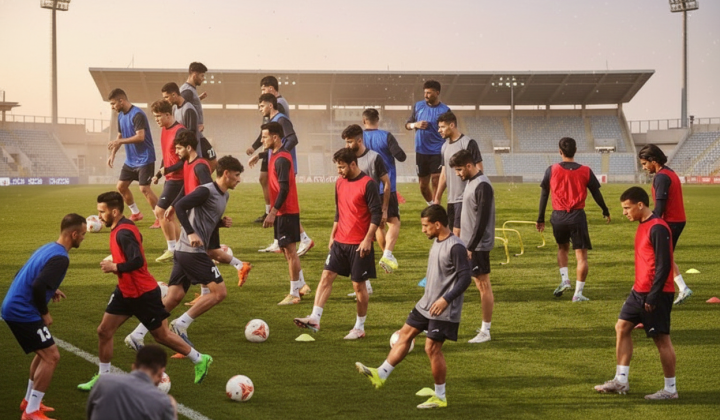
Currently, the Iranian national team is training in Turkey for upcoming friendlies against Nigeria and Costa Rica. In a related domestic move, Iranian authorities have confiscated the property of national team player Sardar Azmoun, accusing him of 'aiding the enemy' by supporting Israel and the U.S. As Donald Trump noted,
"while the Iranian team may be able to play in the States, it might not be entirely appropriate for their life and safety."
This travel ban highlights the escalating political tensions within Iran and the government's aim to control the movement of its citizens under the guise of security. It could severely disrupt the international sporting calendar for Iranian teams, especially for major events like the World Cup. Concurrent asylum cases reveal a fraught social climate where sports and politics are deeply intertwined, potentially prompting a broader reassessment of athletes' freedoms on the global stage.
The implications of Iran's travel restrictions extend beyond just logistical challenges; they also raise questions about the team's readiness and morale. As seen in a recent report, the national team has officially withdrawn from the World Cup due to ongoing political unrest. This scenario underscores the complex interplay between sports and politics in Iran, which could further jeopardize the future of its athletes on the international stage.

Read also