Ukrainian Skeleton Athlete Disqualified Over Memorial Helmet, Prompting IOC Criticism from Zelenskyy


Ukrainian President Condemns IOC Decision
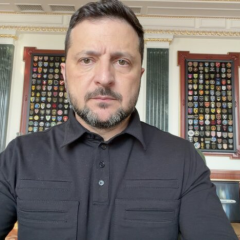
According to Главком: Ukrainian President Volodymyr Zelenskyy has publicly criticized the International Olympic Committee (IOC) for disqualifying skeleton athlete Vladyslav Heraskevych from the 2026 Olympic Games. The IOC issued the official disqualification document to Heraskevych just before his competition was set to begin, citing his helmet, which displayed images of fallen athletes. Heraskevych refused a demand to change his equipment.
Zelenskyy emphasized that 660 Ukrainian athletes and coaches have been killed by Russia since the full-scale invasion began. He stated that the IOC's decision to disqualify Heraskevych contradicts the Olympic principles of promoting peace and justice. This incident highlights the ongoing tension between international sports bodies and the realities of Russia's war in Ukraine.
“Sport does not mean forgetting, and the Olympic movement should help stop wars, not play along with the aggressor” - Volodymyr Zelenskyy
Support for the Disqualified Athlete
Support for Heraskevych also came from Mykhailo Heraskevych, president of the All-Ukrainian Bobsleigh and Skeleton Federation, who called for the IOC leadership to resign and promised to appeal the disqualification to the Court of Arbitration for Sport (CAS).
“We are proud of Vladyslav and his actions. Having courage is more than having medals” - Volodymyr Zelenskyy
The situation underscores the complex intersection of sports and global politics. Heraskevych's disqualification is likely to provoke public debate about the ethics of sporting organizations and their role in supporting humanitarian causes. The strong response from Ukraine's leadership may pressure the IOC to reconsider similar decisions in the future, taking greater account of their human context.
Consequently, this issue is expected to resonate beyond Ukraine's borders, drawing international attention to the role of sport in addressing contemporary global conflicts.

Read also