Data Accuracy Fears: 95% of Leaders Worry About AI in HR

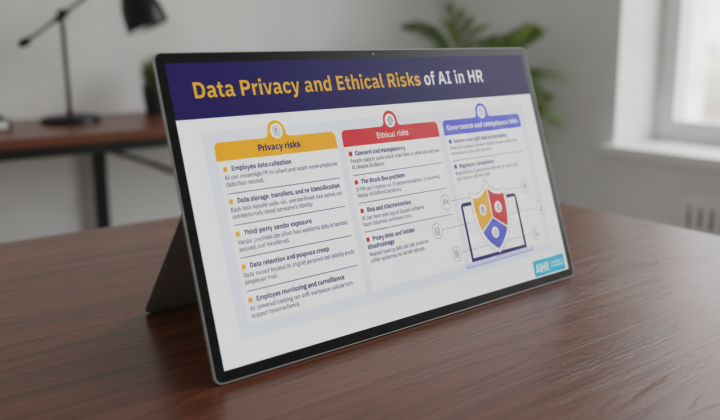
Artificial Intelligence in Human Resources Management
According to AIHR: As AI becomes more embedded in HR processes, concerns over data ethics and risk are growing. A recent Deloitte study reveals that 95% of executives are worried about the accuracy of data used in AI-driven HR operations. This concern highlights the critical need for data privacy and ethical safeguards, especially given that only 19% of core HR functions currently use generative AI at scale, while 32% are still in pilot phases. Additionally, 93% of organizations record employee skills in HR systems, yet just 21% of workers in Europe have received formal training on generative AI.
Key Risks and Best Practices
Major data privacy and ethical risks in AI-powered HR include algorithmic bias, employee data collection, and the influence of third-party vendors. For example, Amazon scrapped an experimental AI recruiting tool after discovering it was biased against women. The system had been trained on a decade of historical resumes, mostly from a male-dominated industry, causing it to favor male candidates. This underscores the need for human oversight in evaluating AI outputs, as demonstrated by a study of nearly 50,000 AI use cases.
To ensure data privacy and ethical compliance in HR, organizations should follow several best practices. These include:
- Auditing and mapping data flows before deploying AI tools;
- Applying data minimization and clear purpose boundaries;
- Vetting vendors as thoroughly as employees;
- Embedding transparency into the employee experience;
- Keeping humans accountable for high-stakes decisions;
- Testing tools for bias before and after deployment;
- Creating an appeals and correction process;
- Continuously monitoring and conducting regular re-audits;
- Using a three-question test before scaling AI use.
With AI adoption accelerating in HR, it is crucial to recognize not only the benefits but also the potential threats related to ethics and data privacy. Organizations must implement robust practices to avoid bias and ensure transparency, which in turn will build trust among employees and society at large. Proactively managing AI-related risks will therefore become a key component of any modern HR strategy.
As organizations navigate the complexities of AI in HR, understanding how to effectively formulate policies is crucial. Implementing a structured approach can help mitigate risks associated with data ethics and privacy. Discover how the BRIEF framework can assist in drafting comprehensive HR policies that align with ethical standards and enhance operational efficiency.

Read also