The Making of a Political Powerhouse: How AIPAC Rose to Prominence Amid War and Oil Crisis

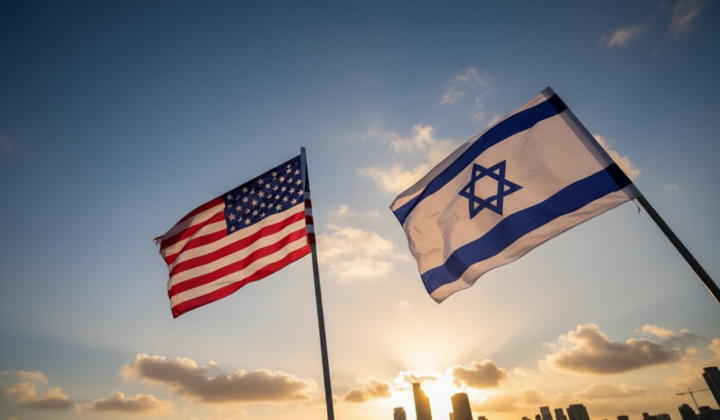
AIPAC's Metamorphosis in the 1970s
According to ХВИЛЯ: During the 1970s, the American Israel Public Affairs Committee (AIPAC) underwent a profound evolution, transforming from a modest operation into a formidable political force with a multi-million dollar budget. This shift occurred against the backdrop of the Yom Kippur War and a global energy crisis instigated by Arab states. Previously operating on a budget of just $200,000 to $300,000, AIPAC began to fundamentally overhaul its approach. The organization's rise is a key case study in the growth of foreign policy lobbying in Washington.
In the mid-1970s, OPEC nations imposed an oil embargo that severely impacted Western countries, including the United States. According to expert Mikhail Shteinbock,
"These events coincided with the oil crisis of the mid-seventies, when OPEC countries decided to punish Western nations, particularly the U.S., by raising oil prices through reduced production"
- Mikhail Shteinbock. It was during this period that AIPAC recognized the urgent need to adapt and expand its activities to navigate the new geopolitical landscape.
AIPAC's Strategic Agility
The organization began working with both Republicans and Democrats, focusing on candidates' rhetoric concerning Israel. As Shteinbock notes,
"They did not make a partisan distinction; they simply worked with candidates by looking at who in their rhetoric criticized Israel, and they would begin to support their opponents"
- Mikhail Shteinbock. This demonstrates the strategic agility of AIPAC, which enabled it to become a key player in U.S. political life, solidifying support for Israel across the nation. Its bipartisan strategy was crucial for building enduring influence.
The changes within AIPAC during the 1970s underscore the critical importance of political adaptation during global crises. The organization not only altered its strategies but also demonstrated a capacity to operate across party lines, making it influential within both major U.S. political parties. This laid the foundation for its subsequent role in shaping American foreign policy toward Israel for decades to come.
As AIPAC evolved into a significant political entity during the 1970s, it also adeptly navigated the complexities of U.S. foreign policy regulations. This strategic maneuvering allowed the organization to maintain its influence without the constraints of foreign agent status. To understand how AIPAC achieved this and further advanced Israeli interests, explore our detailed analysis of its legal strategies to circumvent foreign agent classification.

Read also