Satellite Batteries That Withstand 100°C Developed in Japan

Innovative Battery Technology for Spacecraft
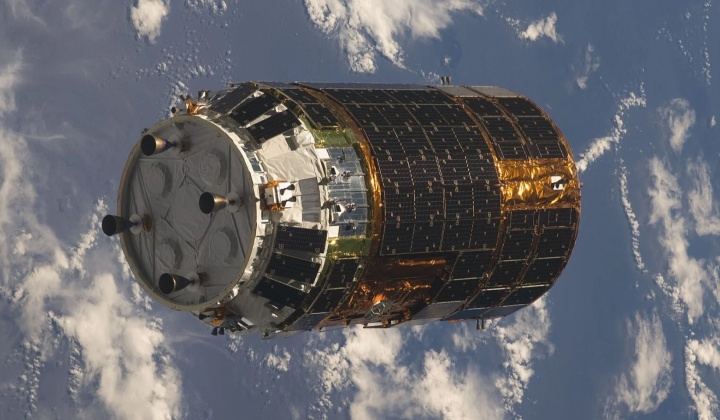
According to НВ — Техно: Japan's Aerospace Exploration Agency (JAXA), in partnership with the electronics firm Maxell, is working on a new generation of solid-state batteries designed for satellites. These power units are engineered to operate reliably at temperatures exceeding 100°C, a significant leap from current capabilities. This breakthrough could eliminate the need for conventional thermal management systems, greatly simplifying satellite design and reducing overall weight.
Prototypes of these advanced cells are scheduled for testing aboard small satellites, marking a pivotal milestone in the evolution of space technology.
Key Benefits of the New Battery Design
The core innovation involves swapping out liquid electrolytes for solid materials, which enhances both the safety and reliability of the batteries in the harsh environment of space. Crucially, these new power sources maintain an energy density comparable to standard lithium-ion batteries-a notable engineering achievement. As a result, satellites will be equipped with high-temperature-resistant batteries capable of enduring extreme environmental conditions.
This development was reported by Interesting Engineering.
The creation of such robust batteries unlocks fresh possibilities for deploying satellites across a wide range of fields, from scientific exploration to commercial ventures. This emerging technology represents a major step forward in boosting the efficiency and dependability of spacecraft. By simplifying satellite structures and enhancing battery resilience, the JAXA-Maxell initiative could fundamentally change how satellites are designed, enabling more capable and cost-effective missions. As demands on space technology continue to grow, these innovations are poised to support new exploratory missions and broaden the scope of research, delivering significant benefits to both science and industry.
Furthermore, the adoption of these batteries may open up new horizons for commercial projects operating in the space sector.
As advancements in battery technology continue to emerge, it's worth noting how Japanese researchers are transforming inherent battery challenges into beneficial features. Their innovative approach not only addresses existing issues but also enhances overall performance in demanding environments. For a deeper understanding of these groundbreaking developments, explore how scientists are turning battery flaws into advantages.

Read also