Ukrainian banks are massively blocking accounts: under what conditions this happens

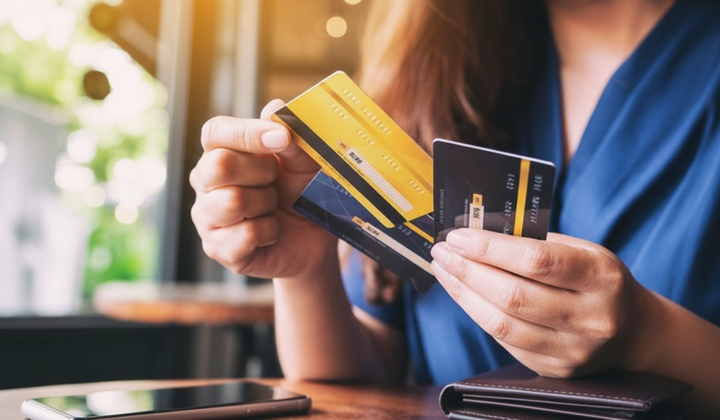
According to hvylya.net: Among the situations that raise suspicion, large amounts of cash in atypical regions, significant online purchases, receiving a large sum with quick cash withdrawal, cryptocurrency transactions over 30,000 hryvnias, and discrepancies in declared income can be outlined.
The increase in financial monitoring of clients of Ukrainian banks leads to an increase in account blockages. Each bank has its own monitoring system that automatically analyzes transactions based on various criteria.
One case concerns 'Raiffeisen Bank' and its client Mariyan Ch., who declared an annual income of 23,000 hryvnias but received over 341,000 hryvnias in his account without a convincing explanation. The bank blocked his account, and the court refused to restore access.
High-risk criteria
According to the NBU's resolution, a bank can classify a client as high risk if they cannot clearly explain the sources of their income, refuse to provide verification information, submit dubious or contradictory data, have a large number of accounts or cards, overly justify their transactions, or barely pay mandatory fees.
Experts recommend adhering to 'financial hygiene' rules, such as formalizing loan agreements, receiving official income, updating bank data during financial status changes, and keeping documents that confirm the legality of transactions.
It is also worth remembering that sometimes account blockages occur without the client's fault, for example, when purchasing cryptocurrency through the accounts of unsuspecting individuals by fraudsters.
The strengthening of financial monitoring of clients of Ukrainian banks leads to an increase in cases of account blockages due to failures in explaining the sources of income and dubious financial transactions. Banks assess risks, and clients are advised to adhere to 'financial hygiene' rules to avoid negative consequences.

Read also