Edible Crab Vanishes Off Jersey as Seawater Peaks at 24°C During Heatwave

Marine Life Struggles in 2026 Heatwave
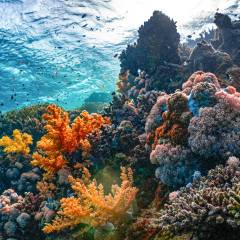
According to НВ — Техно: On July 2, 2026, Francis Binney, head of Jersey's Marine Resources department, reported that sea temperatures have risen to 21°C, with localized spikes reaching 24°C. This warming has caused cold-water species, including the edible crab, to disappear and driven major shifts in the local marine ecosystem. The typical summer maximum for these waters is 18°C, but recent years have seen a steady climb linked to rising land temperatures-a trend observed globally in coastal regions.
Binney explained that seawater around the island is highly sensitive to land temperatures, as heat from the landmass quickly transfers to the ocean. This temperature increase has reshaped the composition of marine species. For instance, the edible crab, once common in Jersey's waters, has all but vanished, while spider crabs are now moving in to fill the gap. At the same time, tuna have started returning to the area, and shark sightings have become more frequent.
Impact on the Marine Ecosystem
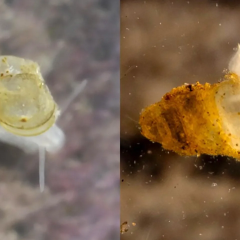
Beyond crabs, whelks have been hit hardest due to their slow movement, and Binney has recorded a gradual die-off of these mollusks. Plankton blooms now occur earlier in the year, throwing off the timing for fish species that rely on plankton but have failed to adapt to the new cycle. In contrast, jellyfish-opportunistic organisms-have thrived under these changing conditions.
Over the past 15 to 20 years, the marine ecosystem around the islands has undergone radical transformation. The government's Marine Resources department is collaborating with universities to monitor these shifts, with scientists filming underwater footage for further analysis. Local residents are also contributing by reporting new species appearing in the region.
“Some species are winning, others are losing,” said Francis Binney, emphasizing the need for ongoing monitoring and research into climate change's effects on the marine ecosystem.
These changes could have serious consequences not only for biodiversity but also for local fisheries and the regional economy. The loss of traditional species like the edible crab may disrupt local fishing industries that depend on their availability. Meanwhile, the arrival of new species could alter the structure of the marine community, requiring scientists and government officials to act swiftly in adapting to the new conditions. As climate change continues to reshape ecosystems, sustained research and monitoring are critical to developing strategies for preserving marine resources.
The ongoing changes in marine life around Jersey are part of a broader trend, as climate change threatens nearly half of all species with local extinction. As temperatures continue to rise, the impact on biodiversity becomes increasingly alarming, prompting urgent research and conservation efforts to understand and mitigate these effects on ecosystems worldwide.

Read also