Lifer Denied Parole to Join the Army: Ukraine’s Constitutional Court Takes Up the Case

Parole for Convicted Individuals to Perform Military Service
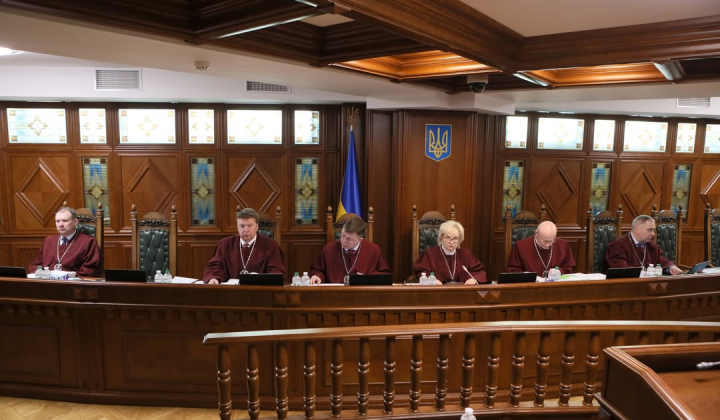
According to Конституційний суд: On May 6, 2026, the Second Senate of Ukraine’s Constitutional Court reviewed a constitutional complaint filed by Anatoliy Oleksandrovych Luzhynetskyi. He challenges provisions of Article 81-1 of the Criminal Code of Ukraine, which block parole for military service for individuals convicted of intentional double murder and sentenced to life imprisonment. Judge-Rapporteur Viktor Horodovenko highlighted the significance of the case, after which the court moved to a closed session to deliberate its decision.
Luzhynetskyi is serving his sentence at State Institution Vinnytsia Correctional Facility No. 1, where he was given a life sentence. He previously petitioned the Vinnytsia City Court of Vinnytsia Region, but on September 16, 2025, that court denied his request. He then appealed to the Vinnytsia Court of Appeal on October 7, 2025, but the appellate court upheld the lower court’s ruling, leaving him with no relief.
Core of Luzhynetskyi’s Complaint
In his complaint, Luzhynetskyi argues that the law provides no grounds for releasing life-sentenced inmates from punishment if they express a desire to serve in the Armed Forces of Ukraine. He further contends that:
- A person sentenced to life imprisonment for a double murder committed over 25 years ago could, over those years, develop a capacity for self-directed law-abiding behavior and cultivate a full-fledged duty to defend the homeland.
- Excluding such an individual from those eligible to defend the country restricts the realization of that formed duty.
The complaint examines whether the contested provisions of Article 81-1 of the Criminal Code align with Articles 3, 23, 24, 28, 64, 65, and 68 of Ukraine’s Constitution. Inquiries on this matter have been sent to the President of Ukraine, the Verkhovna Rada, the Ministry of Justice, and several higher education and legal research institutions.
The court hearing on May 6, 2026, marks a critical juncture in addressing whether parole can be granted to those serving sentences for the most serious crimes. The outcome could have far-reaching implications for legal practice across Ukraine, potentially reshaping how such cases are handled in the future.
This case underscores the complex legal and ethical dilemmas surrounding parole for convicts, especially those guilty of grave offenses. The court’s decision will not only determine the fate of one inmate but also set a precedent that may influence similar cases down the road.
In light of the ongoing discussions about the legal implications of military service eligibility for convicted individuals, it's important to consider related cases that highlight the severity of criminal actions during wartime. For instance, recent sentences of 15 years were imposed for arson attacks on Ukrainian railways and military vehicles in Kyiv, demonstrating the judiciary's stance on crimes affecting national security. Such cases raise questions about the balance between rehabilitation and accountability in the context of defending the nation. To explore the details of these sentences and their potential impact on similar legal debates, see more here.

Read also