Two, Maximum Three Weeks: How Trump Turns Peace into a Deadline Deal

Nobel Prize, Truth Social, and Florida Diplomacy
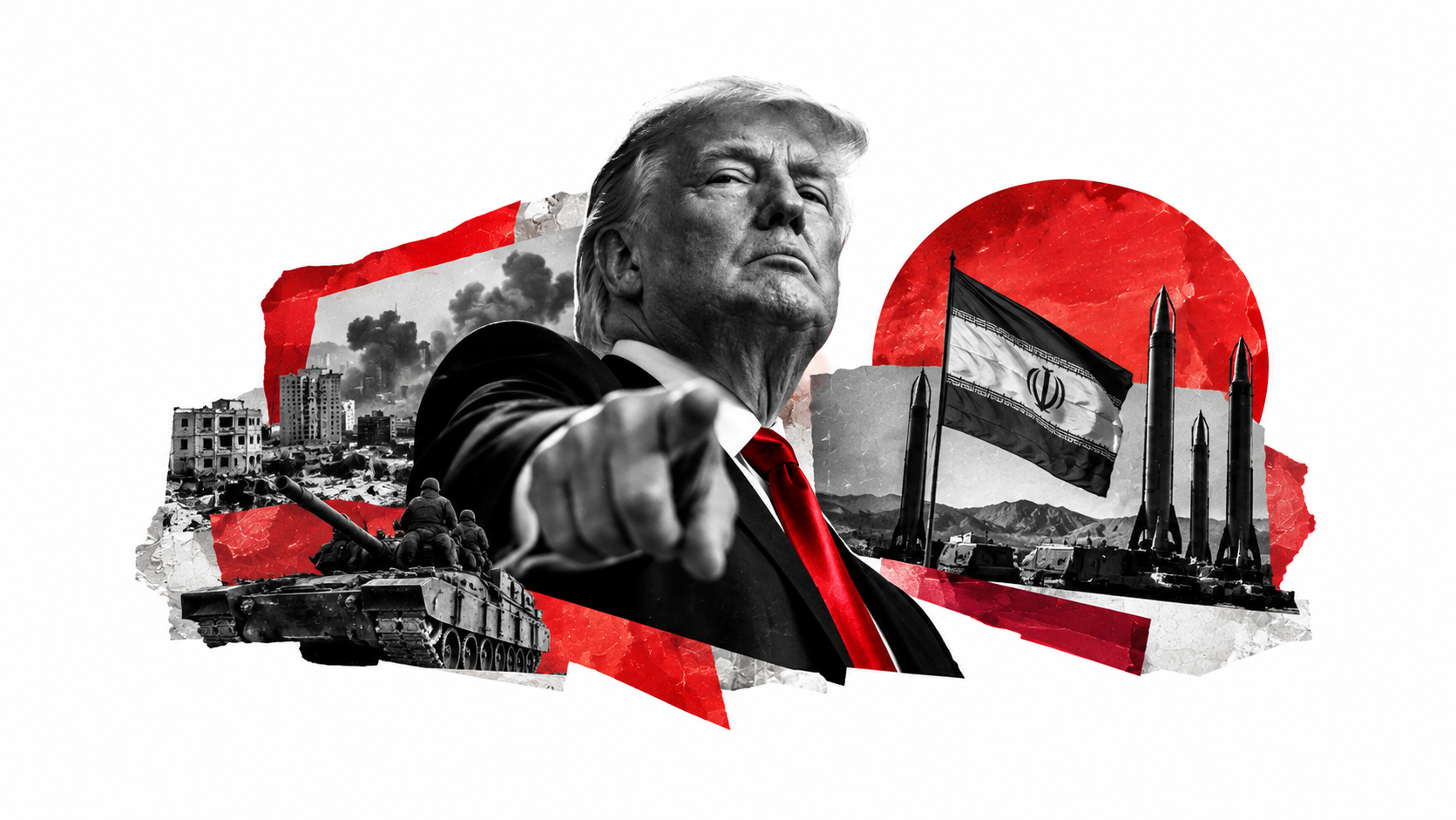
Donald Trump is once again discussing the swift end of wars, this time linking diplomatic optimism to Ukraine and Iran. Behind the loud promises lies a familiar negotiation logic: creating a sense of a close deal, accelerating concessions from both sides, and presenting delays as an unwillingness to negotiate. But wars have the unpleasant property - they do not always end when the political calendar demands it.
Imagine a late evening at Mar-a-Lago. On the smartphone screen - Truth Social, on the political agenda - yet another promise of peace, and somewhere far away, in Oslo, the Nobel Committee is again living by its own schedule. Donald Trump has repeatedly emphasized his achievements in settling international conflicts. In his political rhetoric, a diplomatic outcome often appears like a successfully closed business deal: complicated contradictions can be overcome if both sides really want to agree.
This logic fits well with reports of rapid progress in negotiations regarding Ukraine and Iran. In Trump's political communication, the promise of a near outcome serves multiple functions at once. It demonstrates the president's activity to voters, signals negotiators about limited time, and forms expectations that a compromise is almost ready. At the same time, without published agreements, it is impossible to establish how close the actual resolution of each conflict is.
This rhetoric is especially familiar to the Ukrainian audience. The formula “two, maximum three weeks,” which has long turned into a political meme, receives new transatlantic life. But now its content is defined not so much by the term itself but by the capabilities of the person who utters it. The President of the United States has levers of influence over military aid, sanctions policy, and diplomatic contacts, although not all these tools are solely at his disposal.
Diplomacy by Market Rules
Trump's negotiating style often revolves around creating pressure even before the final terms are agreed upon. In business, this might mean setting a short deadline, demonstrating a readiness to walk away from the deal, or convincing the partner that alternatives are much worse. In international politics, this tactic is more complex: at the negotiating table sit not a seller and a buyer, but states with armies, territories, internal political constraints, and incompatible demands.
An imaginary term sheet - a document detailing the basic conditions of a future agreement - captures this contradiction well. Washington might offer a framework for a ceasefire, control mechanisms, sanctions alleviations, and security guarantees. However, agreeing on fundamental principles does not mean resolving issues of territories, the legal status of occupied regions, and the mechanism for implementing agreements. These provisions have the power to turn an almost finalized document into a negotiation without a defined conclusion.
For Kyiv, the speed of an agreement matters only alongside its content. A ceasefire without a reliable mechanism to deter a renewed offensive might create a pause but does not necessarily guarantee lasting peace. For Moscow, the negotiating framework is also evaluated through the lens of military gains, sanctions costs, and possible concessions. Thus, Washington's political deadline does not in itself resolve fundamental contradictions between the parties.
Peace as a Deadline and Political Argument
On October 9, Trump posted on Truth Social again claiming he had resolved eight wars and was close to ending two more - the conflict with Iran and the Russian-Ukrainian war. He characterized the progress of these processes as extremely fast. At the same time, his assertion about eight resolved wars remains disputed: U.S. involvement in halting specific clashes does not always mean a definitive resolution of the conflict.
This brings forth an important political asymmetry. The American president can announce the proximity of peace before the parties have agreed on its terms. If negotiations are progressing, the White House has the opportunity to demonstrate a diplomatic result. If they stall, the responsibility in public discourse can be shifted to one of the parties. This is a possible effect of such communication, although it does not in itself prove the existence of a pre-prepared political trap.
The events of October 11 showed how great the distance can be between a statement and reality. Trump unexpectedly announced an immediate energy truce between Russia and Ukraine. However, Kyiv did not confirm the existence of a finalized agreement, Moscow also did not provide the corresponding confirmation, and strikes on Ukrainian energy infrastructure continued. Zelensky stated his readiness to cease strikes on Russian energy facilities on the condition of reciprocity.
Another element in the negotiation context has been Washington's decision regarding the delivery of Russian diesel fuel. It sparked criticism both in Ukraine and among U.S. lawmakers, who questioned the compatibility of such an agreement with U.S. sanctions policy. However, the assertion that Washington and Moscow have already agreed on a hidden territorial or economic distribution of Ukraine is not supported by publicly available evidence.
The Costliest Two Weeks
For Ukraine, the problem lies not in Washington's eagerness to expedite negotiations. It lies in the correlation between the speed and the terms of the future agreement. American military aid, intelligence cooperation, access to arms, and sanctions policy remain important tools of influence. But using them as negotiating leverage can have consequences not only for Kyiv but also for the trust in American security guarantees overall.
A peace agreement requires more than a presidential post or an agreed list of principles. Clear commitments from the parties, mechanisms for verification, a response protocol for violations, and answers to questions about what happens the day after a ceasefire are needed. Without this, a rapid diplomatic outcome may prove to be just a brief pause between two stages of war.
Trump thinks in terms of a deal that needs to be closed. Ukraine and Russia think in terms of a result they will have to live with after signing. And this very difference makes any American deadline much less convincing than it appears on Truth Social.
The legendary “two, maximum three weeks” has returned. But in high-level diplomacy, the hardest part is not declaring a date for the end of the war. The hardest part is ensuring that after this date, it really does not start again.

Read also