EU prepares 20th sanctions package against Russia: what is known about the restrictions for 'Rosatom'

Preparation of the new EU sanctions package
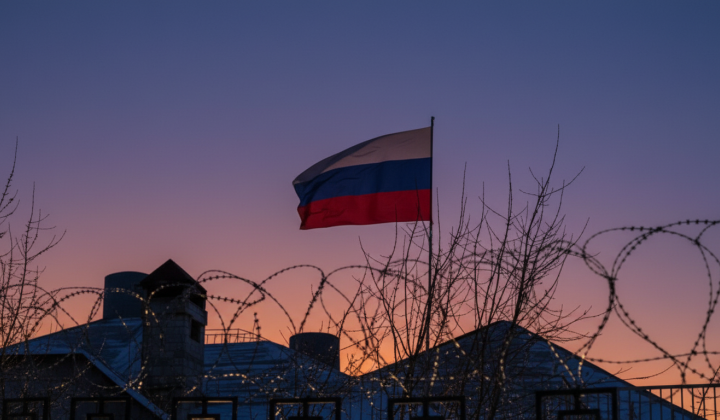
According to ХВИЛЯ: The European Union is preparing its 20th sanctions package, which includes restrictions indirectly related to 'Rosatom'. The President's authorized representative for sanctions policy, Vladislav Vlasuyk, noted that the new package will not include direct restrictions on the company, but there are other measures that may affect the Russian economy.
In analyzing the sanctions policy, Vladislav Vlasuyk emphasized that in the 20th package 'we will not see 'Rosatom', but we will definitely see some things that are not directly related to 'Rosatom'. This indicates that the EU continues to seek ways to pressure the Russian economy without focusing solely on individual companies.
Impact of sanctions on the Russian economy
Furthermore, according to reports, in November, Russian oil exports decreased by 15-20% compared to October. This suggests that the sanctions are indeed starting to affect the economic situation in Russia.
David O'Sullivan, a representative of the EU, noted: 'sanctions are indeed starting to bite, and we see stress and strain on the Russian economy.'
He also added that this is a 'constant work', emphasizing the need to continue the sanctions policy.
Over the three years of war, the European Union has introduced 19 packages of sanctions aimed at deterring Russia's aggressive actions. The new package being prepared is part of these efforts and demonstrates the unwavering commitment of European countries to counter Russian aggression.
The preparation of the new sanctions package underscores the continuation of the EU's policy of deterring Russian aggression, despite the lack of direct restrictions for 'Rosatom'. This reflects a strategic approach that includes not only direct sanctions but also indirect measures that can have a significant impact on the Russian economy. The decrease in Russian oil exports also indicates that the sanctions are beginning to yield results, which may influence further EU decisions regarding sanctions policy.

Read also