EU to Reduce Aid for Nations Backing Russia and Iran

Rethinking International Aid Strategies
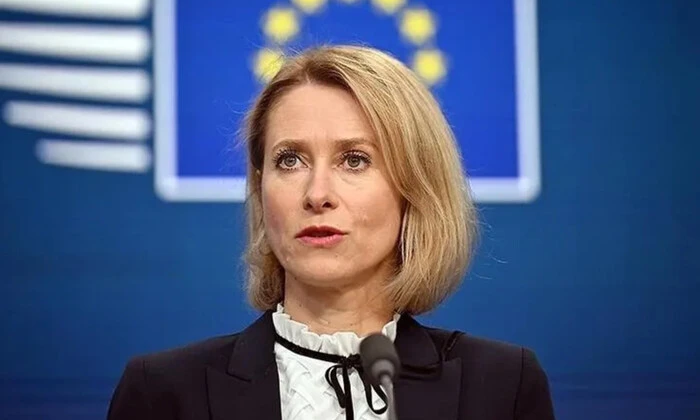
According to Главком: The European Union is considering a shift in how it allocates international aid to countries that support either Russia or Iran. EU foreign policy chief Kaja Kallas made this announcement ahead of a meeting of development ministers in Brussels. She stated that nations siding with Moscow or Tehran could see their European assistance reduced or redirected. Specific mechanisms for these potential changes have not yet been determined.
Debates Over the Investment Program
Intense discussions are underway within the EU regarding the future of the 'Global Gateway' investment program, which is valued at approximately €300 billion. Controversy has arisen around a project to finance infrastructure in Senegal, where a company linked to China could be the potential contractor. EU Development Commissioner Jozef Síkela emphasized that
'when investments and infrastructure become tools of influence, foreign policy cannot remain driven by emotion.'
Additionally, Belgian Foreign Minister Maxime Prévot expressed concern over a possible reduction in support for developing countries amid declining U.S. aid. He noted that
'the vacuum left by reduced Western funding could be filled by other players with stricter cooperation terms.'
Some members of the European Parliament are advocating for international aid not to be tied to the interests of European companies.
As such, the EU continues to evaluate its international aid strategy in light of global political changes and challenges.
This EU initiative could significantly impact international relations and the development of recipient countries. Cutting funding for states that back Russia and Iran might undermine their economic stability and alter the balance of influence in regions where these countries are active. At the same time, reduced support for developing nations could open the door for other players, particularly China, potentially reshaping the geopolitical landscape in those areas.
As the EU reassesses its aid distribution, similar concerns are emerging in the U.S. regarding support for Ukraine amidst shifting political priorities. The recent decision by Congress to forgo a new aid package highlights the complexities of international assistance in the current geopolitical climate. This parallel situation underscores the delicate balance nations must maintain in their foreign policy strategies.

Read also