EU Adopts Its Largest Sanctions Package Yet, Targeting Russian Energy and Shadow Fleet

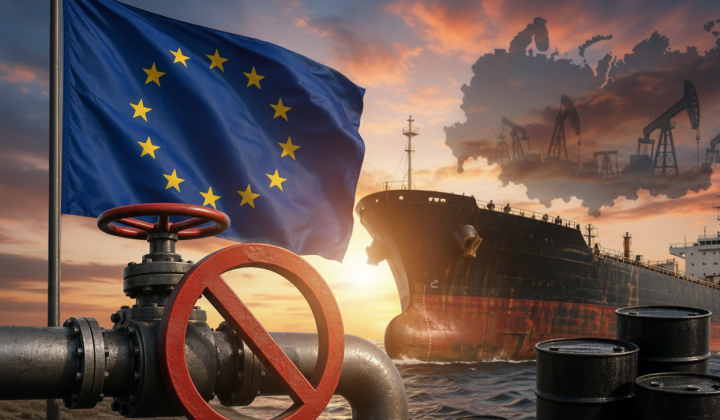
European Union’s 20th Round of Sanctions Against Russia
According to Главком: The European Union has approved its 20th sanctions package targeting Russia, marking the most extensive set of restrictions in two years. This new round impacts the energy, financial, and military-industrial sectors, including preparations for a full ban on maritime transport of Russian crude oil and petroleum products. Among the measures, 36 energy-sector companies and 46 shadow fleet vessels have been sanctioned, with the latter barred from entering EU ports.
Military-Industrial Sector and Financial Restrictions
In the military-industrial sphere, 58 companies linked to drone production and other weapons manufacturing have been hit with sanctions. For the first time, the EU has deployed a tool to counter sanctions evasion, prohibiting the export of specific equipment to Kyrgyzstan due to risks of onward supply to Russia. Additionally, 16 organizations from third countries that helped Russia’s military-industrial complex acquire high-tech goods have been placed under restrictions.
The financial component of the sanctions imposes a complete ban on transactions with 20 Russian banks. The EU has also enacted a sector-wide prohibition on crypto platforms registered in Russia and has sanctioned an exchange tied to a state-backed stablecoin. The measures target individuals and entities involved in the forced removal of Ukrainian children, adding five people and one organization to the list. Propagandists and those implicated in the theft of Ukrainian cultural heritage have also been included.
Furthermore, the EU Council has extended sanctions against Belarus until the end of February 2027. As part of this new package, the bloc approved €90 billion in financial support for Ukraine over two years, intended to bolster defense capabilities, procure weapons, and sustain the energy sector and critical infrastructure.
This latest sanctions package underscores the European Union’s commitment to supporting Ukraine and maintaining pressure on Russia.
The ban on maritime oil shipments could significantly impact Russia’s economy, as the energy sector remains a primary revenue source for the country. The substantial financial aid for Ukraine also reflects the EU’s determination to strengthen Ukraine’s defense capacity amid the ongoing conflict.
In conjunction with the sanctions, the EU has also approved a substantial financial aid package for Ukraine, reflecting its ongoing commitment to support the country amidst the conflict. For further details on this financial assistance and its implications, read more about the €90 billion loan for Ukraine.

Read also