FIFA Clears Russian Youth to Compete in World Cup for Under-15s

Russian Boys Allowed to Play in 2026 FIFA World Cup
According to Главком: The International Federation of Association Football (FIFA) has decided to let Russian youth teams participate in the first-ever World Cup for 15-year-olds, set to take place in Azerbaijan in 2026. The ruling is intentionally vague, designed to downplay the fact that Russian squads are returning to international competition. This comes after FIFA and UEFA banned Russian teams from global tournaments following Russia's full-scale invasion of Ukraine.
Current Status of International Events
The 2026 World Cup and the FIFA Festival for players under 15 will both be hosted in Azerbaijan. Every FIFA member association is eligible to enter a team. Meanwhile, Russian sides have been without international fixtures since the conflict began. FIFA aligned with UEFA's restrictions after European teams refused to face Russia in the 2022 World Cup qualification playoffs. As a result, Russia missed the 2022 World Cup, Euro 2024, several Nations League editions, and the 2026 Men's World Cup.
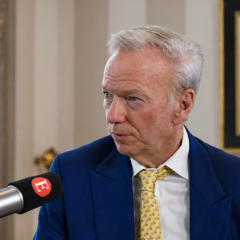
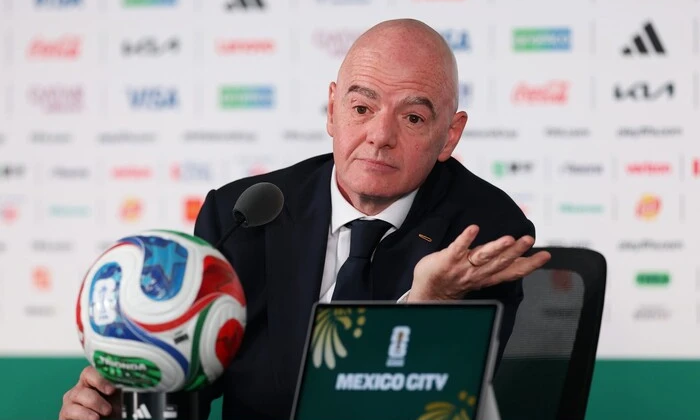
In other international sports news, Belarus has been reinstated in competitions under the International Volleyball Federation, while World Athletics continues to sanction Belarusian track and field athletes. On this topic, FIFA President Gianni Infantino commented:
“suspending Russia achieved nothing.”
The situation surrounding Russia's and Belarus's participation in international events remains complex and tense.
FIFA's decision to include Russian youth in the World Cup has sparked debate within the sports community, especially given the ongoing sanctions against Russian teams. The return of Russian athletes to global tournaments may signal a shift in how sports sanctions are applied, warranting close observation of future developments. The contrasting treatment of Belarus further highlights the inconsistency of international sports sanctions and the varying approaches to enforcing them. This could become a key factor in upcoming discussions between sports organizations and political bodies.
The recent decision by FIFA to allow Russian youth teams to compete has raised questions about the broader implications for international sports. In a similar vein, the reinstatement of Russia and Belarus by other sports federations reflects a shifting landscape in global athletics. For a closer look at how these changes impact the future of international competitions, read more about the recent lifting of sanctions by the FIE and UWW and their consequences.

Read also