Guides on Everest poisoned climbers to force them into fake rescues: earned $20 million

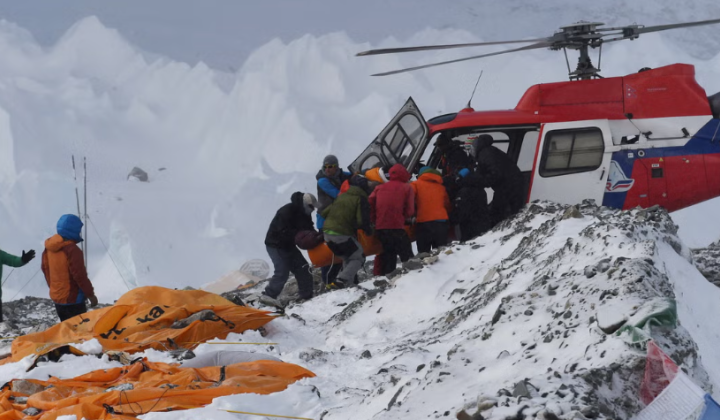
Nepalese police uncovered a large-scale scam on Mount Everest, where guides deliberately made tourists feel unwell to force them to agree to expensive helicopter evacuations. The total losses for insurance companies and travelers are estimated at nearly $20 million. This is reported by 'The Independent'.
The Everest Scam: How the Scheme Worked
According to investigators, dozens of people were involved in the scheme, including sherpas, owners of tourist companies, helicopter operators, and even hospitals. Between 2022 and 2025, at least 4,782 foreign climbers were affected, and law enforcement recorded over 300 cases of fake "rescues".
Among the key elements of the scam:
- tourists were given food laced with baking soda or other substances that induced symptoms of altitude sickness
- some were given medications mixed with large amounts of water to worsen their condition
- after complaints of nausea or dizziness, they were convinced to evacuate urgently
- forged medical certificates and aviation documents were issued
- bills were artificially inflated, even if multiple people were transported on one flight.
As a result, insurance companies paid for evacuations that were often unnecessary or completely fictitious.
Investigation in Nepal: Who is Involved
The police have already pressed charges against 32 individuals, 11 of whom have been arrested. Among the first suspects are leaders and operators of rescue companies who processed fraudulent insurance claims.
The Central Investigation Bureau stated that the crime damaged the international image of the country. At the same time, the investigation has shown a systemic nature of the problem that has existed for years.
Similar schemes were already uncovered in 2018, but due to weak punishment, they continued. The head of the investigation, Manoj Kumar KS, explained it simply: "When crimes go unpunished, they thrive.".
Previously, insurance companies even threatened to withdraw coverage for trips to Nepal due to similar schemes. Instances were also recorded where individual tourists knowingly participated in scams to reduce expedition costs.
Earlier, we reported that a Briton set a world record by climbing Everest 19 times.

Read also