Google Set to Release 32 Million Infected Mosquitoes Across the U.S.

Project Debug: Google’s Mosquito Control Initiative
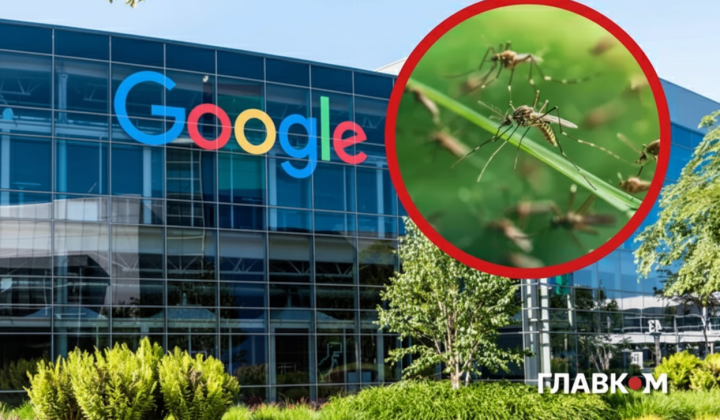
According to Главком: Google is moving forward with a plan to release 32 million mosquitoes infected with a specific bacteria across California and Florida. The initiative, known as Project Debug, is currently under review by the U.S. Environmental Protection Agency (EPA). The releases are scheduled to take place over the next two years, and Google has formally requested approval from U.S. authorities to proceed. This project aims to curb the spread of mosquito-borne diseases, which pose a significant public health risk in many regions.
The mosquitoes to be released will carry the Wolbachia bacteria. Importantly, only male mosquitoes will be set free. The strategy involves breeding these lab-raised males with wild females, resulting in offspring that do not survive. By reducing the overall mosquito population, the project seeks to lower the transmission risks of diseases such as dengue and Zika, ultimately benefiting community health.
Community and Expert Engagement
To ensure transparency and public involvement, Google plans to hold public consultations. These discussions will include experts and residents from California and Florida, allowing their feedback to shape the project’s implementation. Project Debug has garnered media attention for its innovative approach and potential ecological impact, highlighting the growing role of biotech in public health strategies.
In related news, Google has also announced that users will soon be able to change their Gmail usernames without losing data. This feature will allow individuals to update their @gmail.com address while preserving all emails, contacts, photos, and Google Play purchase history.
The planned release of infected mosquitoes in California and Florida has sparked debate about the use of biotechnology to combat epidemics and insect-borne illnesses. While Google’s initiative could mark a major step forward in improving public health, its success will depend on careful monitoring of both ecological and human health effects. The public consultations underscore the critical need for community support in such groundbreaking projects, as local buy-in is often essential for their long-term viability.
As the initiative moves forward, Google's request for U.S. approval highlights the increasing intersection of technology and public health. Understanding the regulatory process and community response will be crucial as the project unfolds, potentially setting a precedent for similar biotech interventions in the future.

Read also