Dubai Hotels Shift Focus to Local Residents Amid Tourist Decline

How Dubai's Hospitality Sector Is Adapting
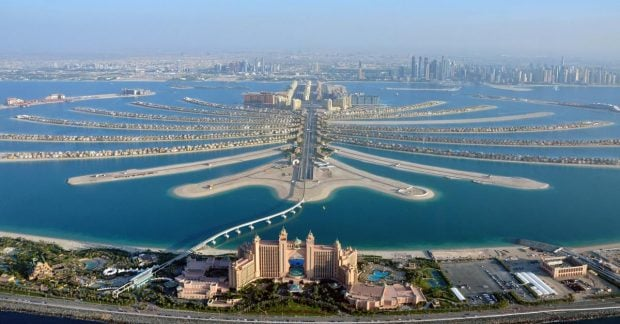
According to УНІАН — Туризм: Facing a drop in international visitors, hotels across Dubai are changing their strategies to attract local residents. On the artificial Palm Jumeirah island, weekend getaways are seeing a surge in demand, driven by special promotions aimed at UAE residents. According to official data, Dubai welcomed 19.5 million tourists last year, but the landscape shifted after a ceasefire took effect on April 8, leading to only a limited return of travelers.
Big Discounts for Locals
Hotels are now offering steep discounts to draw in residents. For instance, the Anantara The Palm hotel provides a preferential rate that is four times lower than its standard price, making luxury accommodations more accessible. Fadi Iskandarani, a Lebanese doctor who has lived in Dubai for five years, shared:
'I never stayed at a hotel on the Palm before because the prices were sky-high. But thanks to the resident rate, luxury in Dubai has become affordable.' - Fadi Iskandarani
Weekend occupancy, especially on Saturday nights, often exceeds 90%, yet from Monday to Thursday, that figure drops to 20 or 30 percent. Michael Robinson, a representative of Anantara The Palm, noted: 'On weekends, particularly Saturday nights, we usually hit over 90% occupancy.' He also pointed out that since the April 8 ceasefire came into effect, 'some tourists have returned, but the influx remains limited.'
Not all hotels are weathering these changes without damage. Some have closed for renovations, such as the Burj Al Arab hotel, while others have cut employee salaries by 40 percent. Of the 827 hotels in Dubai, 173 are five-star properties, and the average occupancy rate last year was above 80 percent. However, the situation may shift in the summer when school holidays begin and many families leave the city:
'If this continues into July, demand for staycations will drop.' - Michael Robinson
This shift in Dubai's hotel industry-from relying on foreign tourists to targeting local residents-highlights the urgent need for new business models. As hotels seek to maintain occupancy and financial stability, this trend could become a key step for the region's tourism sector. With ongoing uncertainty tied to the international climate, adapting to new realities is increasingly critical.
As Dubai's hospitality industry navigates these challenging times, the future of its iconic airport also raises questions about the city's tourism landscape. With plans for the legendary airport's closure in 2035, local residents may increasingly become the focal point for the city’s tourism strategy, further emphasizing the need for hotels to adapt to this shift.

Read also