Warming Seas Drive Greece to Pay Fishermen for Catching Toxic Pufferfish

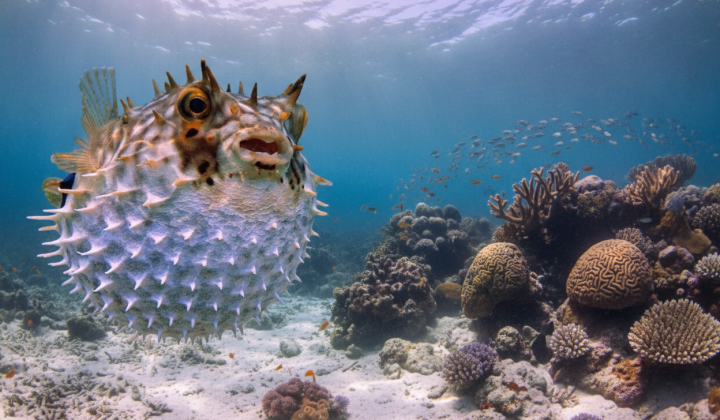
Pufferfish Spread Across Greek Waters
According to Главком: Rising temperatures in the Mediterranean Sea are fueling the expansion of an invasive pufferfish species (Lagocephalus sceleratus) along Greece's coastline. In response, the Greek government has launched a pilot program aimed at controlling the population of this dangerous fish. Fishermen who catch pufferfish will receive €5.33 per kilogram, with a total budget of €1.5 million (approximately $1.7 million) allocated for the initiative.
Dangers and Impact on Fishing Industry
This pufferfish species migrated from the tropical waters of the Indian Ocean through the Suez Canal, first appearing in Greek waters in 2005. The fish carries a potent neurotoxin roughly 1,000 times more poisonous than cyanide. Average water temperatures in the Mediterranean Sea are now 3 degrees Celsius above the long-term norm, creating ideal conditions for species like the pufferfish to thrive.
Stavros Moraitis, a Greek fisherman, shares his experience:
'It's incredibly voracious, and our catches are now on average 30-40% smaller than they were just a few years ago.' - Stavros Moraitis
This highlights the severity of the situation, as fishermen's yields have dropped significantly. Marine ecosystem expert Georgios Tsernes comments:
'Climate change is promoting the spread of exactly these types of fish,' adding, 'I don't think there's a real danger.' - Georgios Tsernes
Greece, which operates the second-largest fishing fleet in the European Union, has recorded only one instance of a pufferfish attacking a human-an incident that occurred four years ago on Crete. It's also important to note that:
- The sale and consumption of pufferfish are banned across European countries.
- In Japan, pufferfish is considered a delicacy, and its preparation is restricted to chefs holding a special license.
The pufferfish situation underscores how warming waters are reshaping marine life, as the fish damages fishing nets and disrupts traditional fishing operations. In June, the average global ocean surface temperature reached 20.86°C, further evidence of ongoing climate shifts. As a result, managing invasive species like the pufferfish has become a critical priority for Greece's government and its fishing communities.
The spread of pufferfish off Greece's coast vividly illustrates the consequences of climate change on marine ecosystems and fishing livelihoods. Rising water temperatures not only drive the evolution of new species but also pose serious challenges for fishers who have long relied on familiar catches. Government initiatives aimed at curbing pufferfish populations highlight the urgent need to adapt to shifting environmental conditions and the growing pressures facing Greece's fishing sector.
The challenges posed by invasive species in Greek waters are not limited to pufferfish. Recently, another invasive species, the toxic rabbitfish, has raised concerns among local fishermen and marine biologists alike. As these species proliferate, understanding their impact on the ecosystem and fishing industry becomes crucial. For more insights into this alarming trend, read about the toxic rabbitfish invasion affecting Greece's marine life.

Read also