Indonesia Turns to IVF in a Last-Ditch Effort to Save the Bornean Rhino

Bornean Rhino Conservation Efforts in Indonesia
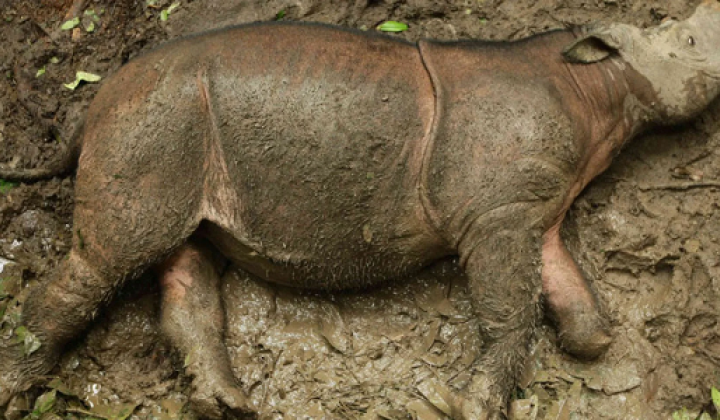
According to НВ — Техно: Only two Bornean rhinos are known to exist worldwide: a female named Pahu and another named Pari. Indonesia now plans to capture Pari for an in vitro fertilization (IVF) program using sperm from a Sumatran rhino. This decision stems from the urgent need to preserve this rare subspecies, as Bornean rhinos are a variant of the Sumatran rhino. Pahu, who resides at Indonesia's Kelian Rhino Sanctuary, is approximately 40 years old. However, earlier attempts to extract her eggs failed due to her advanced age and health complications.
Risks and Obstacles
Pari, who lives in the wild in the Kutai Kartanegara regency, is scheduled to be airlifted to a facility for monitoring before egg retrieval. Transporting rhinos, however, carries significant dangers:
- Last year, a Javan rhino died after its first relocation.
- In 2016, a female Sumatran rhino perished following relocation due to an injury from a poacher's trap.
Ari Wibawanto, head of the provincial nature conservation agency in East Kalimantan, stated:
“We conducted several simulations using cattle roughly the same size as Pari.”
Experts have strengthened protocols to prevent technical issues, health problems, or behavioral disturbances that could stress the animal. 'We have reinforced our procedures to ensure they do not cause technical glitches, health concerns, or behavioral disorders, so the animal remains stress-free,' Ari Wibawanto noted.
Because Bornean rhinos are smaller than Sumatran rhinos, natural mating is challenging. “Sumatran rhinos are larger than Bornean rhinos. So, if we try to mate them manually or through natural breeding, it likely won't work properly. We take eggs from the Bornean rhino. We collect them, then fertilize them with Sumatran rhino sperm outside the womb,” Wibawanto explained.
According to the International Rhino Foundation, fewer than 50 Javan and Sumatran rhinos remain in the wild, all within Indonesia. This stark reality underscores the critical importance of conservation efforts, as their numbers continue to decline.
Indonesia's push to save the Bornean rhino is vital, as these animals teeter on the brink of extinction. The IVF program offers a potential lifeline for rebuilding their population, but the risks tied to moving the animals demand careful planning and execution. Experts hope that successfully carrying out this project could open new avenues for preserving not only Bornean rhinos but also other endangered rhino species facing similar threats.

Read also