Tehran Rules Out Talks with Washington in the Coming Days

No Iran-U.S. Negotiations Expected Shortly
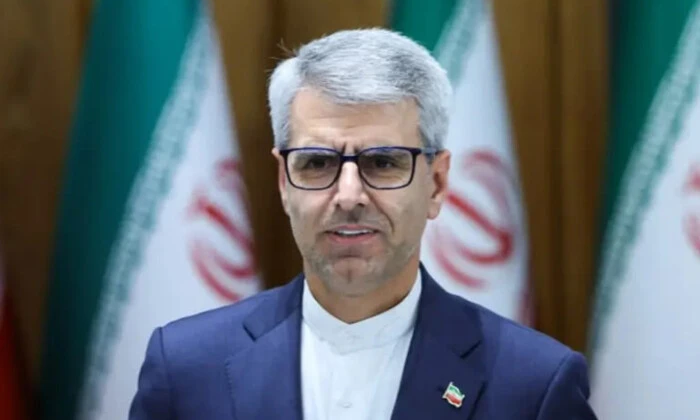
According to Главком: Iran’s Foreign Ministry has confirmed that no discussions with the United States are scheduled for the near future. Spokesman Esmail Baghai stated that Tehran is currently prioritizing the implementation of a previously signed memorandum of understanding rather than moving toward a final peace agreement. As Baghai put it,
“Tehran is fully focused on executing the existing memorandum, not on transitioning to talks about a comprehensive peace deal.”
Strait of Hormuz Tensions Persist
Washington has already issued the necessary licenses under Article 10 of the memorandum, which governs oil sales. Iran is closely monitoring this process while working to fulfill Article 11, which involves the return of its frozen assets. An Iranian expert delegation is set to travel to Doha, Qatar, later this week to facilitate the recovery of those assets. However, Baghai emphasized that
“any potential visit by American officials to Doha is in no way connected to the trip by Iranian experts.”
According to available information, dialogue on a final agreement may only occur after the completion of key provisions:
- 1
- 4
- 5
- 10
- 11
Article 10 addresses oil sales, while Article 11 concerns the return of Iran’s frozen assets. The United States struck Iranian targets near the Strait of Hormuz on June 28, responding to an Iranian attack on a commercial tanker the day before. Shipping through the strait continues, and U.S. forces remain on high alert.
It is worth recalling that on June 23, Iran’s chief negotiator Mohammad Baqer Ghalibaf announced an agreement with the U.S. on a hotline for the Strait of Hormuz, but Tehran later denied this claim. Earlier in June, Iran launched ballistic missile strikes against Kuwait and Bahrain.
The absence of planned talks between Iran and the United States highlights ongoing friction in bilateral relations. Key issues-such as the return of frozen assets and the full implementation of the memorandum-remain critical potential foundations for future dialogue. The situation in the Strait of Hormuz continues to be volatile, especially given recent military actions, underscoring the need for cautious engagement from both sides to maintain regional stability.
As tensions in the region continue to escalate, it is crucial to understand the broader implications of Iran's diplomatic stance. Recently, Iran's Supreme Leader has expressed skepticism regarding the U.S. agreement, indicating a significant shift in Tehran's approach to negotiations. This context sheds light on why discussions with Washington remain unlikely in the immediate future.

Read also