Iranian Volleyball Player Chooses Russia Over Poland, Citing Political Loyalty

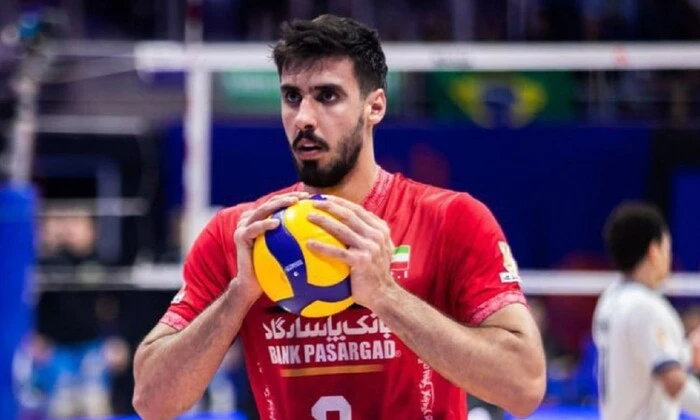
Volleyball Star's Political Stance Alters Career Path
According to Главком: Iranian volleyball player Pouria Hanzadeh has declined a potential move to Polish club Projekt Warszawa, citing his political affinity for Russia as the primary reason. Hanzadeh expressed concern that accepting such an offer would be viewed in Iran as a betrayal of the nation's friendly ties with Russia. Instead, the athlete aims to continue his career with Dinamo-Ural in Ufa, a team currently struggling near the bottom of the Russian championship standings. This decision highlights how geopolitical alliances can directly influence the international sports market.
Hanzadeh's search for a new club began in January 2026 when he terminated his contract with Italy's Civitanova due to limited playing time. However, the Italian club blocked his subsequent transfer to Russia. To maintain his career momentum, he signed a three-month contract with Qatar's Al-Arabi, but ultimately secured an agreement to join Dinamo-Ural.
Political Declarations and Wider Sporting Context
The controversy surrounding Hanzadeh's choice is amplified by his public declarations of love for Russia and personal admiration for Vladimir Putin. This incident occurs against a backdrop of ongoing debate about politics in sports, exemplified by a separate event on February 29, 2024. On that date, Russian speed skater Alexandra Sayutina, recognized as a neutral athlete by the International Skating Union (ISU), attended Putin's annual address to the Federal Assembly alongside the Russian leader's allies and military personnel involved in the war against Ukraine. These cases demonstrate the persistent challenge of separating sport from state, even under official "neutral" designations.
The situation with Hanzadeh underscores the complex interplay between athletics and international relations. His rejection of the Polish club could have significant repercussions not only for his professional trajectory but also for his reputation within Iran, where attitudes toward Russia can heavily influence public perception of sporting choices. Such episodes reveal how personal convictions and political circumstances increasingly intersect in professional sports, affecting the decisions of both athletes and the organizations that seek to recruit them.

Read also