Coffee in the EU could become 330% more expensive: which products are also at risk

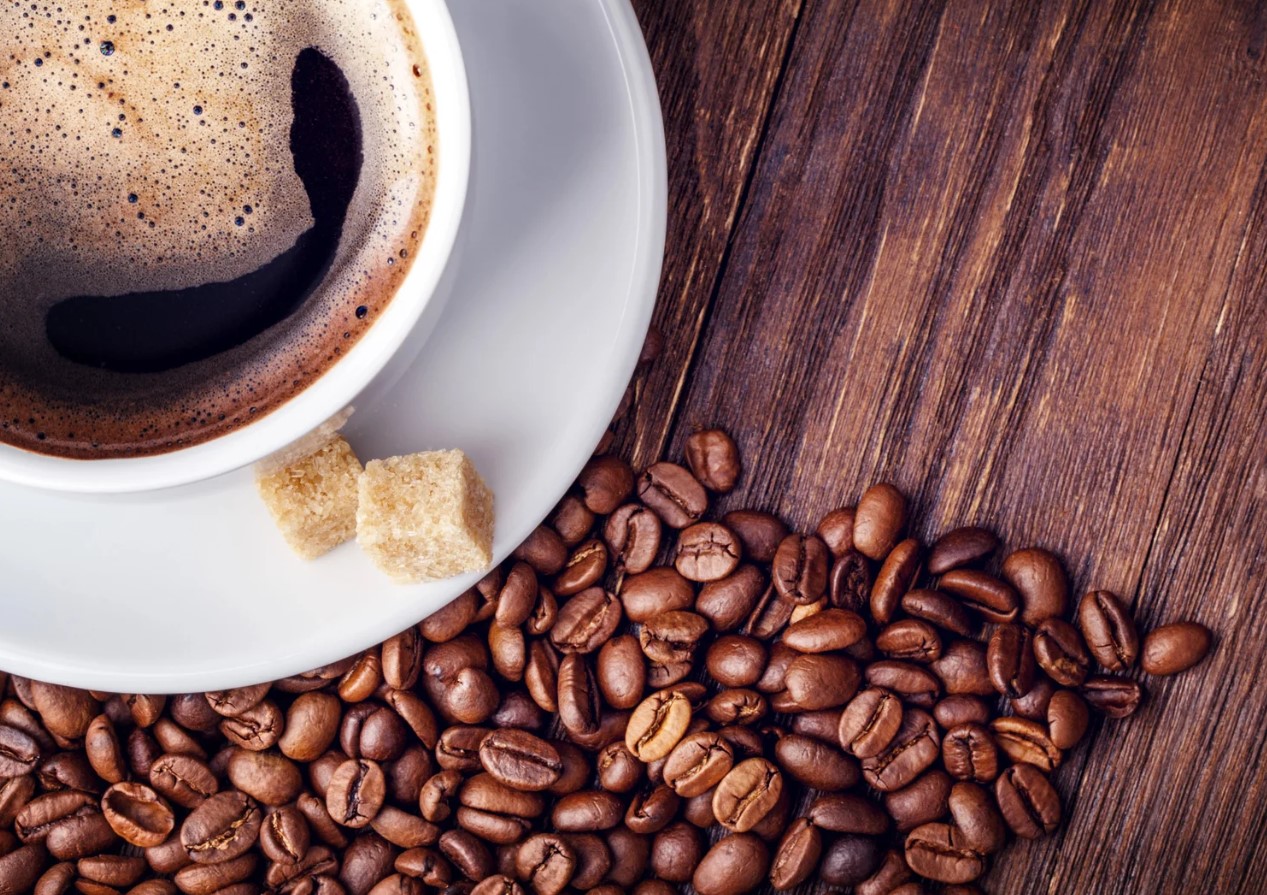
The European Union is analyzing strengthened requirements for pesticide residues in imported products. In the worst-case scenario, this could reduce the supply of agricultural products by 41%, and coffee prices may triple. This is reported by InPoland.
This is only modeling of potential consequences, not an approved price increase. The European Commission has not yet adopted final rules or determined the complete list of substances to which restrictions will apply.
Why coffee in the EU could increase by 332% in the worst-case scenario
The EU already has maximum levels of pesticide residues that are the same for both European and imported products. Now Brussels is considering additional restrictions on substances banned in the EU not only due to health risks but also due to environmental harm.
If the maximum allowable level of certain substances is lowered to the technically measurable minimum, producers from other countries will need to change their growing methods. Some farms may not be able or willing to adapt in time.
The European Commission's Joint Research Centre has modeled the worst-case scenario where suppliers do not change their technologies. In such a case, imports could fall by 41%, and the calculated price of coffee could rise by 332%.
This does not mean that coffee is guaranteed to become that much more expensive. The actual impact will depend on the final text of the rules, the transition period, the ability of farmers to switch to other plant protection means, and the emergence of alternative suppliers.
Which products in the EU could become more expensive due to new import rules
Potential restrictions could affect at least 235 types of agricultural products supplied to the European Union from 86 countries. The following are at the highest risk:
- coffee, with a potential model price increase of up to 332%;
- citrus fruits, with a potential price increase of approximately 82%;
- berries and other imported fruits;
- products for which banned substances are used during cultivation in the EU.
Preliminary analysis covers 18 chemical substances. There is no final list yet, so it is impossible to determine exactly which goods and supplying countries will fall under the restrictions.
The initiative has faced opposition from the USA, Canada, Australia, and Paraguay. They explain that different climatic conditions, soils, and pests force farmers to use various plant protection means. European farmers, on the other hand, see the new requirements as a way to level the playing field.

Read also