Kazakhstan's New Constitution Takes Effect July 1: Key Changes Explained

Kazakhstan's New Constitution
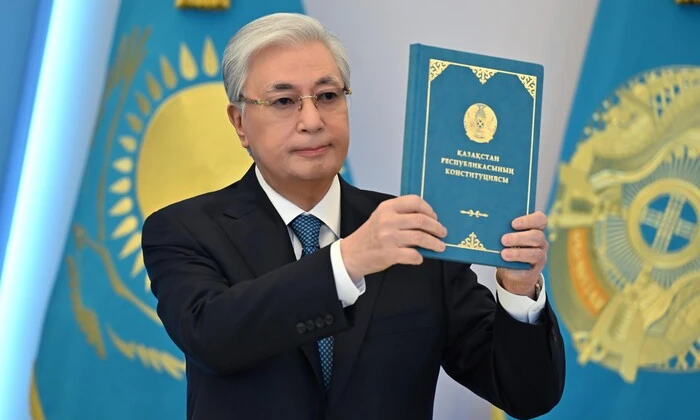
According to Главком: A new Constitution for Kazakhstan, signed by President Kassym-Jomart Tokayev, will come into force on July 1 of this year. This move is part of a constitutional reform package first presented by Tokayev on January 20, 2026. The draft constitution received overwhelming public backing in a referendum held on March 15, with 87.15% of voters supporting its adoption. Consequently, March 15 has been established as the new Constitution Day, replacing the previous celebration date of August 30. This reform represents a significant political shift for the Central Asian nation, a key regional partner for both Russia and China.
Major Reforms and Provisions
The key changes introduced by the new Constitution include:
- The transformation of the parliament from a bicameral to a unicameral body, which will be called the Kurultai;
- The Kurultai will consist of 145 members, elected for five-year terms under a proportional representation system;
- The President gains the authority to independently appoint the Prosecutor General, the heads of the Constitutional and Supreme Courts, the National Bank, and the Chairman of the National Security Committee, without parliamentary involvement;
- The abolition of the Senate, which previously performed this function;
- The creation of the post of Vice President, who is appointed by the President with the consent of the Kurultai.
In the event of the President's early resignation or death, the Vice President will assume the role of acting President. The original 1995 Constitution is to be archived. The government has been instructed to approve a plan for promoting the new Constitution by April 7.
Kassym-Jomart Tokayev stated that the 'new fundamental law is of historical significance.'
These changes point to a substantial transformation of Kazakhstan's political system, aimed at modernizing state governance and expanding democracy in the country.
The adoption of the new Constitution marks a pivotal stage in the development of Kazakhstan's political framework, which may influence both its domestic and foreign policies. The restructuring of parliament and the expansion of presidential powers reflect a drive toward greater centralization of authority, a move likely to draw varied reactions from the public and the international community. Implementing these new norms is expected to require considerable time and effort to ensure their effectiveness and acceptance by society.

Read also