China Slaps Up to 42% Tariffs on EU Dairy in Retaliation Against European Levies

Tensions Rise Between the EU and China
According to Главком: A recent conference in Beijing laid bare the growing friction between the European Union and China. The gathering, which brought together diplomats, government officials, and business leaders from both sides, sparked heated debates over trade relations. A panel titled 'EU–China Trade Relations: Partnership or Sinking Ship?' served as the stage for discussing pressing issues such as trade barriers and imbalances in the relationship.
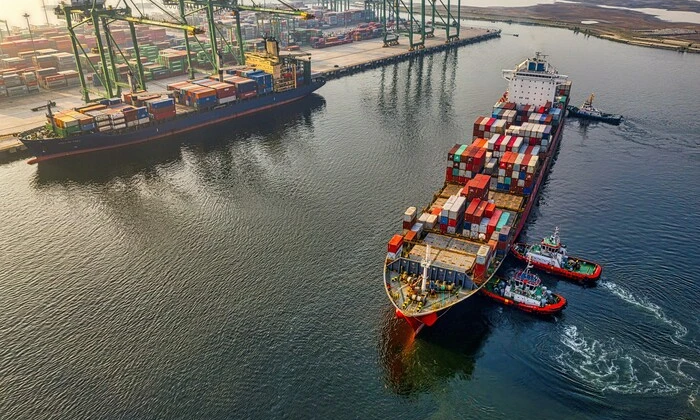
Jens Eskelund, President of the EU Chamber of Commerce in China, remarked: 'This is neither a partnership nor a sinking ship. It is a 400-meter-long giant container ship carrying 24,000 containers heading to Europe and returning almost empty.'
His comment highlights serious concerns about European companies' unequal access to the Chinese market and the significant trade imbalance fueled by state support for Chinese manufacturers.
New Customs Measures and Initiatives
Amid these discussions, China announced new duties on EU dairy products ranging from 21.9% to 42.7%. These measures come as a direct response to tariffs the EU imposed on Chinese electric vehicles. EU Ambassador to China Jorge Toledo noted that 'Brussels regularly faces information attacks from Chinese state media and officials over new industrial initiatives,' underscoring the tension between the two economic rivals.
A key driver of the escalating conflict is the 'Made in Europe' initiative, which introduces new rules for accessing state support. This situation highlights ongoing problems linked to the surge of cheap Chinese exports into Europe and the lack of a level playing field for European producers. All of this creates additional hurdles for building stable trade relations between the EU and China.
The worsening trade relationship between the EU and China signals serious challenges in the global economy, where interdependence between nations can spark conflicts. Both sides now need to find ways to resolve their trade disputes to avoid further escalation. Success will likely depend on their willingness to engage in dialogue, make compromises, and adapt to shifting economic realities.
As tensions escalate, the EU's recent trade initiatives, particularly the 'Made in Europe' rules, have drawn sharp criticism from China. These new regulations are viewed as discriminatory, further complicating the already strained trade dynamics. To understand the implications of these developments, read more about China's allegations against the EU regarding trade discrimination.

Read also