Well or Borehole: What Ukrainians Should Choose and the Legal Requirements to Know

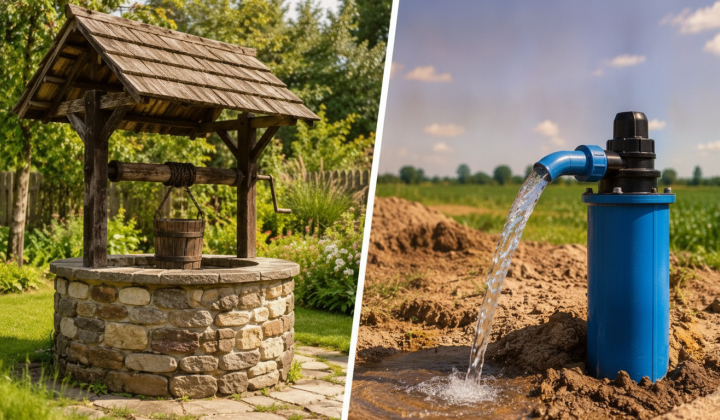
Comparing Wells and Boreholes for Home Water Supply
According to ХВИЛЯ: Access to clean water remains a pressing concern in modern society. For many households, deciding between a traditional well and a borehole is a critical step. This article compares these two water sources, outlines the legal requirements for installing them, and shares expert advice on their upkeep.
Benefits and Regulations for Wells and Boreholes
Wells, typically dug to depths between 5 and 20 meters, can serve as reliable water sources. However, strict spacing rules apply during construction. A well must be placed at least 20 meters away from toilets, septic tanks, and cesspits. On sandy soils in the Kyiv region, experts recommend increasing this distance to 30–50 meters. Additionally, wells should be set back 3–5 meters from neighboring property lines and 20–30 meters from major roads.
Boreholes also offer distinct advantages. Hydrogeological surveys for boreholes achieve up to 90% accuracy, greatly improving the chances of striking water. For household use, private individuals do not need a permit to drill a borehole, nor is a permit required for digging a well.
Experts recommend the following:
- Test water quality at least once a year;
- To disinfect a well, one kilogram of quicklime is sufficient;
- After disinfection, pump out the water and rinse the well walls after 24 hours;
- Dig a well in late summer or early autumn to ensure optimal conditions for its use.
'Sometimes a well works fine for 10 years, but by the 12th year, the water simply disappears.' Architect Valentyn Pohorilyi
Ultimately, the choice between a well and a borehole depends on individual needs and site conditions. Following legal requirements and expert guidance helps ensure a dependable water supply and safe drinking water.
Securing clean, safe water is essential for public health and environmental well-being. Both wells and boreholes come with their own pros and cons, requiring careful consideration. Conserving water resources and monitoring water quality remain key priorities for ensuring a stable water supply in the future.

Read also