Kuleba Warns of Russian Strategy to Divide Ukrainians Through Domestic Conflict

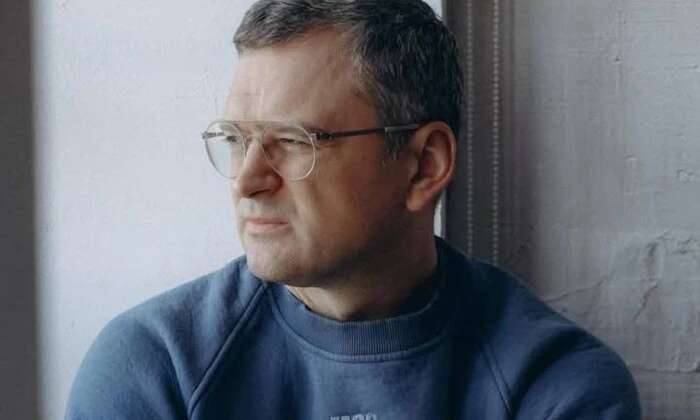
Dmytro Kuleba Responds to Criticism of His Fiancée
According to Главком: Former Ukrainian Foreign Minister Dmytro Kuleba has addressed the public criticism directed at his fiancée, Svitlana Paveletska, following her remarks suggesting an intimate alternative to heating. In a social media post, Kuleba outlined Russia's algorithm for information manipulation and offered Ukrainians advice on how to respond to such tactics.
The controversy began on January 21 when Svitlana Paveletska proposed an alternative method for keeping warm, which drew outrage from some Ukrainians. In response, Kuleba-who is also the author of the book 'The War for Reality'-posted a photo of himself in a Dolce & Gabbana cardigan valued at approximately $3,000 USD. He noted that the exhaustion caused by war is exploited by the enemy to create internal divisions.
The Mechanism of Information Manipulation
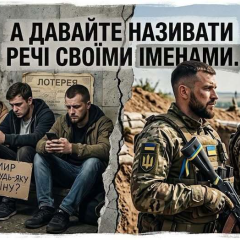
Dmytro Kuleba emphasized that a single, timeless strategy is at play: war creates exhaustion through casualties and poor living conditions, and the enemy identifies and cultivates internal lines of conflict. This leads to the perception that the problem lies not with the external aggressor, but with Ukrainians themselves. According to Kuleba, the public sphere then promotes the idea that 'the problem is with us, especially with those at the top.'
'If a message makes you hate a fellow Ukrainian more than Russia, then it is working for the enemy.' Dmytro Kuleba
Kuleba added that such information manipulation pushes people to seek a scapegoat nearby and to act with aggression. He urged Ukrainians to be vigilant, as this is precisely what the enemy aims for-to divert Ukrainian energy into mutual hatred rather than resistance against the external threat. This incident highlights the critical need for media literacy during wartime, as disinformation campaigns are a core component of modern hybrid warfare.
The situation underscores the importance of information security and critical thinking in a time of war. Kuleba seeks to stress that internal conflicts can be weaponized by the enemy to destabilize society, making it vital to maintain unity and focus on shared challenges. Understanding these manipulation mechanisms can help Ukrainians resist propaganda and preserve internal resilience in the face of external threats.

Read also