Only 1% of Companies Have Achieved AI Maturity

Modern HR Management Challenges
According to AIHR: As workforce structures grow more complex, employee data volumes expand, and artificial intelligence (AI) adoption accelerates, HR management has become increasingly critical for organizations. Research shows that 92% of companies plan to boost AI investments over the next three years, yet just 1% have reached maturity in its application. This gap reveals that while businesses are eager to embrace new technologies, most have yet to fully unlock their potential.
Hiring and workforce planning remain persistent pain points. In Europe, only 56% of job offers are accepted, and 18% of new hires leave during their probation period. A key driver behind these figures is weak strategic planning. In the United States, just 12% of organizations plan their workforce three to five years ahead, while 32% of employees already lack the skills required for their current roles.
Benefits of Effective HR Management
Strong HR management can turn the tide significantly. According to BCG research, better strategic workforce planning helps fill critical roles roughly 17 days faster. Organizations that redesign work, roles, and human-AI collaboration are nearly 2.5 times more likely to report stronger financial outcomes. Additionally, AI usage in HR tasks has jumped from 26% to 43% in just one year, underscoring technology's growing role in this domain.
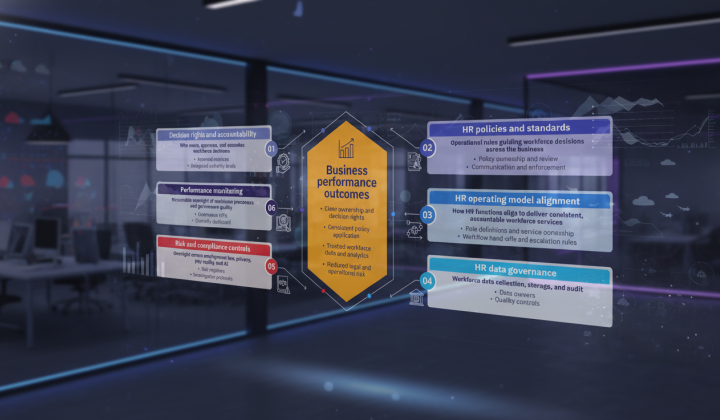
To achieve effective HR management, organizations should adopt a structured framework that includes:
- decision-making rights
- HR policies and standards
- operating model alignment
- data governance
- risk and compliance controls
- performance monitoring
The benefits of this approach include standardized decisions, reduced hiring inefficiencies, improved workforce planning discipline, risk mitigation, and support for responsible AI deployment.
Governing AI use in HR also demands special attention. Key considerations include:
- inventorying AI tools
- risk assessment
- human oversight
- vendor due diligence
- employee communication
These steps help organizations not only streamline HR processes but also ensure they meet modern compliance and ethical standards.
“Labor market conditions highlight the urgent need to adapt HR strategies to new realities shaped by technological innovation, especially AI.”
Source: Labor Market Analytical Report
In short, amid rapid labor market shifts and the rising influence of technology, HR management has evolved from a support function into a critical pillar of organizational success.
As organizations navigate the complexities of modern workforce management, understanding the factors that influence compensation for HR professionals becomes crucial. The reliance on skills over seniority is reshaping salary structures, highlighting the need for strategic workforce planning and development. This shift underscores the importance of aligning HR practices with evolving market demands to attract and retain top talent.

Read also