Asia's Cleanest Village to Close Its Doors to Tourists Every Sunday

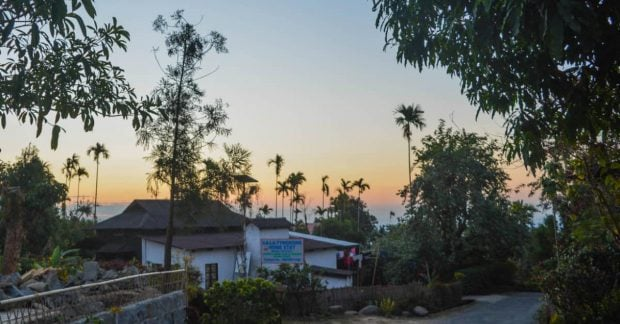
Tourist Entry Ban in the Village of Molinong
According to УНІАН — Туризм: Starting in January 2026, the village of Molinong, located in the northeastern Indian state of Meghalaya, will prohibit day-trippers from entering on Sundays. This measure aims to protect the community's cultural identity and religious practices, even at the risk of losing tourism revenue. Recognized as Asia's cleanest village in 2003, Molinong has become a popular destination, drawing up to a thousand visitors every Saturday.
Situated just a few kilometers from the Bangladesh border, Molinong is home to around 600 residents whose daily lives have been significantly altered by the influx of tourists. Local resident Precious Hongdup explained:
“We need more rest. If we close to tourists for at least one day a week, we can return to genuine village life.”
The decision will allow residents to dedicate more time to religious services and community interaction.
The Importance of Traditions and Cleanliness
The Harimba Festival also highlighted the need to preserve traditions, stating:
“Now we have time to go to church, attend services, and pray. When there are many tourists on Sunday, it disrupts that.”
Molinong is renowned not only for its cleanliness but also for the active role locals play in maintaining order-a point Indian Prime Minister Narendra Modi emphasized in a radio address: “For the residents, keeping things clean has become a habit. It gives confidence that through the efforts of its citizens, the entire country can become cleaner.”
The ban on day-trippers does not apply to those who book weekend accommodations, which may help mitigate negative effects on local businesses. However, villagers believe this step will help preserve the uniqueness of their community. Molinong, which lacked proper road connections to neighboring areas until 2003, has now become a symbol of cleanliness and a traditional way of life.
Implementing a Sunday tourist ban reflects the community's desire to safeguard its cultural identity and traditions. This move could serve as a model for other tourist destinations facing similar challenges in maintaining authenticity amid growing tourism pressure. Reliance on tourism can threaten not only cultural heritage but also the lifestyle of local residents, so such steps may promote greater sustainability and awareness of the importance of preserving local traditions.

Read also