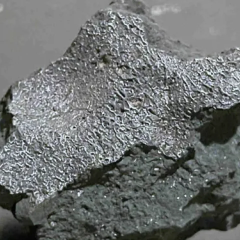
Earth's Oldest Known Mineral Discovered Inside a Meteorite

Krotite: A Mineral Born in the Solar System's Dawn
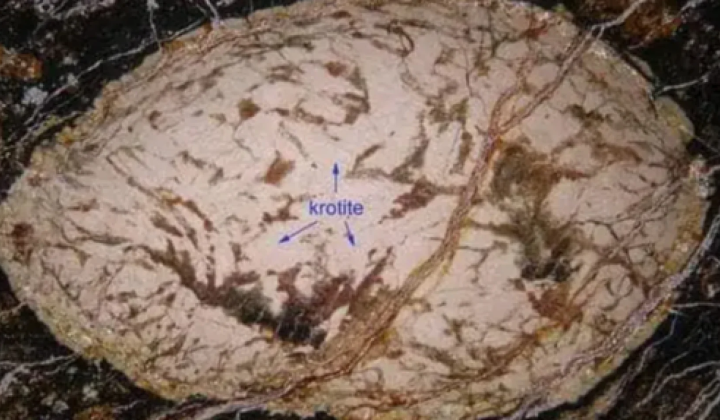
According to НВ — Техно: In 2011, scientists identified a mineral unlike any found naturally on modern Earth. Named krotite, it was discovered within the NWA 1934 meteorite, which fell in Africa. This mineral formed 4.6 billion years ago within the protoplanetary disk that once surrounded the young Sun. Krotite is a unique crystalline compound composed of calcium, aluminum, and oxygen. Its creation required extreme heat-over 1500 degrees Celsius-and very low pressure. These conditions no longer occur naturally on our planet, making krotite a remarkable relic of the early solar system.
The mineral was found embedded inside a fragment of the NWA 1934 meteorite. It was named in honor of Alexander Krot, a cosmochemist at the University of Hawai'i who has made significant contributions to the study of space chemistry. This discovery is scientifically important because meteorites also contain 'presolar grains'-tiny particles that predate our Sun. Studying these materials offers valuable clues about the environment in which planets first took shape.
Why Space Materials Matter for Geology
"Geology isn't just under our feet-it's also above our heads," notes Zme Science, highlighting the importance of studying materials from space.
Krotite joins other exotic minerals like dmitryivanovite, named after researcher Dmitry Ivanov, in expanding our understanding of how matter forms across the universe.
A microscopic image of krotite (Photo: CalTech) reveals its distinctive structure, which continues to intrigue scientists and researchers. This discovery not only advances science but also offers a rare glimpse into the distant past of our planetary system.
The identification of krotite underscores the value of meteorites as windows into the earliest stages of planetary formation. By studying these unique materials, scientists can better understand the conditions under which planets emerged and gain deeper insight into the composition and evolution of the cosmos. Such knowledge may also inform future space missions and the search for life beyond Earth.

Read also