Stress Along the San Andreas Fault Hits a 1,000-Year Peak

Study Sheds New Light on California Seismic Risks
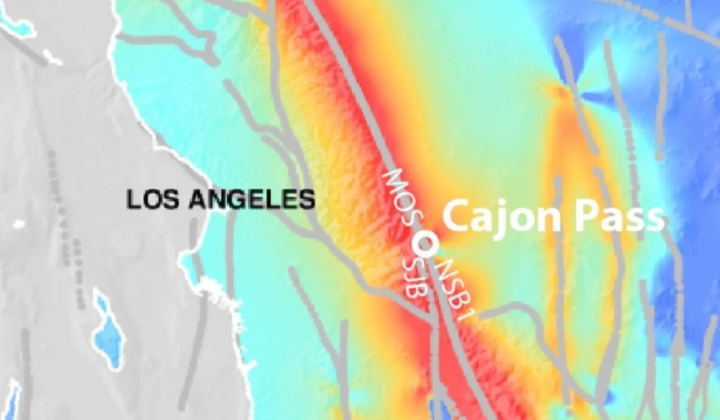
According to НВ — Техно: Using an advanced computer model, geophysicists have found that stress levels in the southern section of the San Andreas Fault have reached their highest point in the past millennium. Led by Lillian Burkhard from the University of Bern, the research zeroes in on the Cajon Pass-a critical junction where two fault systems converge. This area is particularly significant because it accounts for 90 percent of the tectonic movement between the North American and Pacific plates.
Current pressure readings show 2.8 megapascals (MPa) in the Mojave-South segment, while the San Jacinto-Bernardino section registers 3.6 MPa. The last major rupture along the fault occurred more than 160 years ago, leading seismologists to describe the Cajon Pass as a "gateway for an earthquake." A potential disaster, already dubbed the "California Big One," could threaten counties including:
- Los Angeles
- Ventura
- Orange
- San Diego
- the Palm Springs-Indio metropolitan area
- the city of Tijuana in Mexico
'The system is currently in a critical state,' said Lillian Burkhard.
The findings were published in the Journal of Geophysical Research: Solid Earth. This data could prove crucial for understanding seismic activity in the region and for developing safety measures to protect the population.
Why This Research Matters for Public Safety
The study's results underscore the seriousness of seismic activity in the area, which could lead to widespread destruction. With numerous cities and counties in both California and Mexico potentially at risk, it is essential that authorities and residents prepare for possible earthquakes. This research may serve as a foundation for new safety strategies and for raising public awareness about the dangers tied to seismic events.
In light of the recent findings regarding the San Andreas Fault, it is also important to consider the implications of rare deep earthquakes discovered beneath North America. These seismic events can provide further insights into the complex dynamics of tectonic activity in the region, highlighting the necessity for ongoing research and preparedness efforts.

Read also