Neanderthals Were Genetically More Diverse Than Previously Thought

Study of Neanderthal Genetic Data
According to НВ — Техно: June 24, 1:30 PM. A study published in the journal Nature analyzes genetic data from 27 Neanderthals found in Belgium and France. The findings reveal that late Neanderthal populations were genetically more varied than earlier estimates suggested. This research found no evidence of gene flow from modern humans into these Neanderthal groups, challenging the popular theory that a progressive genetic decline was a key factor in their extinction.
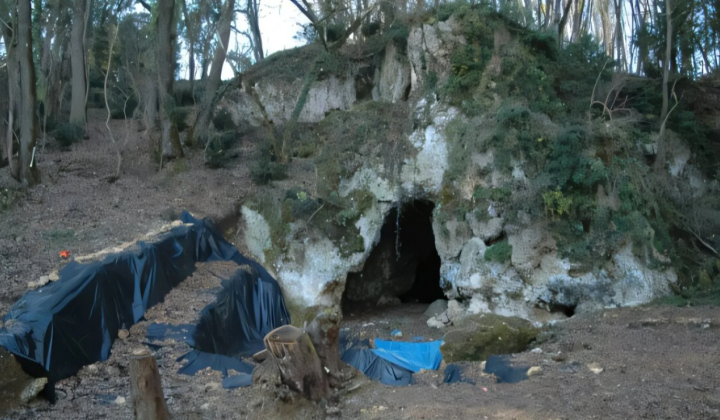
The study's cornerstone was a Neanderthal specimen discovered in the Le Cotte cave in France. Excavations at this site were led by Professor Marie Soressi from the Faculty of Archaeology at Leiden University. According to Professor Soressi,
“each additional high-quality Neanderthal genome provides an extraordinary amount of new information”
. She also noted that
“the discoveries reported in this study show how much we can learn when more individuals become available for genetic analysis”
.
Interconnections Among Neanderthal Populations
The research confirms that the last Neanderthal populations formed a network of interconnected communities rather than a single homogeneous group. Marie Soressi emphasized:
“We are only beginning to uncover the diversity and complexity of Neanderthal populations”
. She also highlighted the importance of having genomes from sites across Europe and beyond, which allows a shift from studying isolated individuals to reconstructing entire communities, their relationships, and the social networks that linked them.
These conclusions could significantly reshape our understanding of Neanderthals and their place in human history. The study continues to underscore the complexity of genetic ties among different populations, opening new avenues for exploring evolutionary processes.
This new analysis of Neanderthal genetic data points to major shifts in perceptions of their evolution and social structures. The discovery of greater genetic diversity may indicate that Neanderthals had more intricate social connections than previously believed. This could also influence future research focused on their lives, culture, and interactions with modern humans.

Read also