NHL Upholds Ban on Russian Players Bringing Stanley Cup to Russia

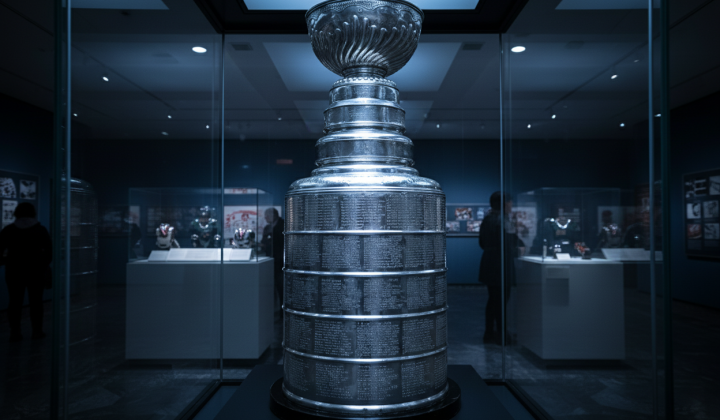
Stanley Cup Policy Under Scrutiny
According to Главком: The National Hockey League (NHL) has confirmed it will not revise the restrictions imposed in 2022 that prevent Russian players from transporting the Stanley Cup to Russia. Deputy Commissioner Bill Daly stated that the policy remains unchanged, meaning any Russian skaters on a championship team this season will be unable to take the trophy to their home country. This stance has sparked debate among fans and analysts, particularly as the league heads into the playoffs with several Russian players on top contenders.
First introduced in 2022, the ban has not been lifted. The last time the Stanley Cup was brought to Russia was in 2021, after the Tampa Bay Lightning’s victory. This season, five NHL clubs are in the running for the Cup, with four of them featuring Russian talent:
- The Colorado Avalanche roster includes forwards Valeri Nichushkin and Zakhar Bardakov.
- The Carolina Hurricanes have defenseman Alexander Nikishin, along with forwards Andrei Svechnikov and Pyotr Kochetkov.
- The Vegas Golden Knights count forwards Ivan Barbashev and Pavel Dorofeyev among their players.
- The Montreal Canadiens list forward Ivan Demidov.
The Case of Georgy Kamalov
Separately, Ukrainian media has reported on the elimination of 46-year-old Russian occupier Georgy Kamalov. A former hockey player, Kamalov spent his career with the Vladivostok-based team Era from 2003 to 2011. After an injury forced him to retire from playing, he moved into coaching within the Era system. In recent years, he worked with the football club Anri, helping it reach the level of the Russian Cup.
Commenting on the situation, Dmitry Nizovtsev said: 'He was up to his ears in debt. That's why he signed the contract. He got paid and settled his debts. But then he had to go fight. And die. At 46 years old. Such a downer.'
Russian propaganda outlets have not disclosed the date or details of Kamalov’s death, raising further questions about the circumstances surrounding his demise.
Thus, the Stanley Cup controversy and the fate of Russian players remain under close watch by hockey enthusiasts and the broader public. The NHL’s policy barring Russian athletes from bringing the Cup to Russia reflects the wider context of international relations and how political tensions shape sports. As strain between Russia and the West intensifies, such decisions serve as symbols of deeper social and political shifts. At the same time, the story of Georgy Kamalov highlights the severe consequences of war for those who, for various reasons, end up on the front lines-including former athletes.
The ongoing restrictions in the NHL are not the only instance of sports organizations grappling with political implications. Recently, the European Handball Federation faced scrutiny for its silence regarding a match that featured a propaganda event honoring Russian occupiers. This highlights the complex interplay between sports and geopolitics, as leagues navigate their policies amid rising tensions.

Read also