Berlin Sets Conditions for Deploying Minesweepers to the Strait of Hormuz

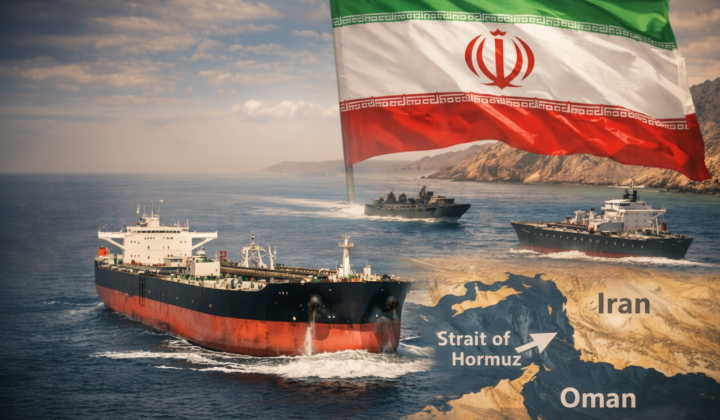
Germany Considers Joining a Mission in the Strait of Hormuz
According to Главком: Germany is evaluating the deployment of minesweepers to the Strait of Hormuz, a key global oil transit route. This potential mission will be a central topic when German Chancellor Friedrich Merz meets with the leaders of France, the United Kingdom, and Italy on April 17th to coordinate steps for safeguarding maritime navigation in the region.
Berlin has outlined specific prerequisites for its participation. The German government demands:
- A stable ceasefire;
- A mandate within a collective security framework;
- Formal approval from the federal cabinet and the Bundestag.
A German government spokesperson stated that the country
is prepared to make its contribution to ensuring freedom of navigation
.
U.S. Response and Regional Tensions
U.S. President Donald Trump also commented on the situation, declaring the Strait of Hormuz unblocked and emphasizing that this
opens the artery forever and has already received approval from Beijing
. Meanwhile, Iran insists on unilateral control over the strait, asserting that the waterway's status will not change until a mutual agreement is reached with the United States.
Recent events highlight the region's volatility, as at least two sanctioned Iranian tankers have managed to transit the strait. The upcoming discussions among European leaders and German officials could prove pivotal for the future of this strategically vital maritime chokepoint.
Securing the Strait of Hormuz is critical for the global economy, as a significant portion of the world's oil shipments passes through it. Germany's response, in coordination with its European partners, to the actions of Iran and the U.S. could significantly impact regional stability and international relations. This potential deployment also signals a growing European role in Middle Eastern security matters, particularly amid ongoing U.S.-Iran tensions.
As the situation in the Strait of Hormuz evolves, the implications of international responses become increasingly significant. For instance, Trump's recent extension of the deadline for reopening the strait underscores the complex dynamics at play, potentially influencing Germany's strategic decisions and the broader geopolitical landscape in the region.

Read also