Ukraine's Power Grid to Integrate with EU Market: Key Changes for Consumers

Legislation for Ukraine-EU Electricity Market Integration
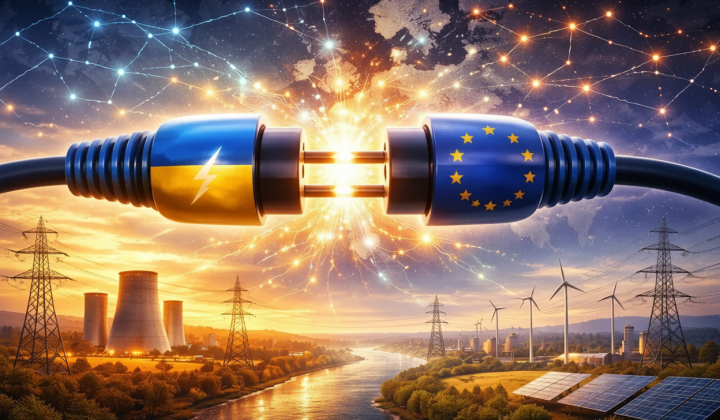
According to Главком: The Ukrainian Parliament has passed draft law No. 12087-d in its second and final reading, paving the way for the unification of Ukraine's electricity market with that of the European Union. The decision received support from 245 members of parliament. This legislation aims to achieve full synchronization of the power grids, enabling Ukraine's integration into the European energy space. This move is a significant part of Ukraine's broader post-war reconstruction and alignment with EU standards.
According to the adopted document, full market unification will require between 12 and 18 months following the law's enactment. The target dates for launching the integration are set for either January 1, 2028, or January 1, 2029. Furthermore, the removal of price caps on the electricity market is scheduled for May 1, 2027. The law restricts tenders for new generating capacity, with a transition period lasting until 2028. Special conditions for energy storage installations will remain in place for a decade.
Consequences of Power System Integration
The document was developed based on nine EU legislative acts and provides for the integration of short-term (spot) and balancing electricity markets. It also introduces additional mechanisms to protect consumer rights.
Andriy Gerus, Head of the Parliamentary Energy Committee, stated: 'This law is about fully synchronizing Ukraine's and Europe's energy systems. When there is a surplus, we can export seamlessly, and conversely, when there is a deficit, we can import.'
One of the bill's authors, Deputy Committee Chairman Andriy Zhupanin, emphasized that the law's adoption will secure Ukraine 500 million euros under the Ukraine Facility program. Energy Minister Denys Shmyhal also backed the initiative, highlighting its importance for the country's energy independence. For European consumers, this integration could enhance market stability and diversify supply sources in the long term.
The passage of this draft law represents a major step for Ukraine toward energy integration with Europe, which could significantly impact the country's energy security and economic development. Full synchronization of the power systems is expected to create new opportunities for electricity export and import, allowing Ukraine to utilize its resources more efficiently and reduce dependence on domestic producers. Integration into the European energy market may also positively influence Ukraine's investment appeal, promoting the modernization of its energy infrastructure.
As Ukraine moves towards integrating its electricity market with the EU, the implications for consumers are becoming increasingly significant. With the potential removal of price caps in 2027, concerns are rising about the future cost of electricity. In light of this, a recent appeal from a business association highlights the need for the extension of electricity price controls beyond 2026 to safeguard consumer interests during this transition period.

Read also